


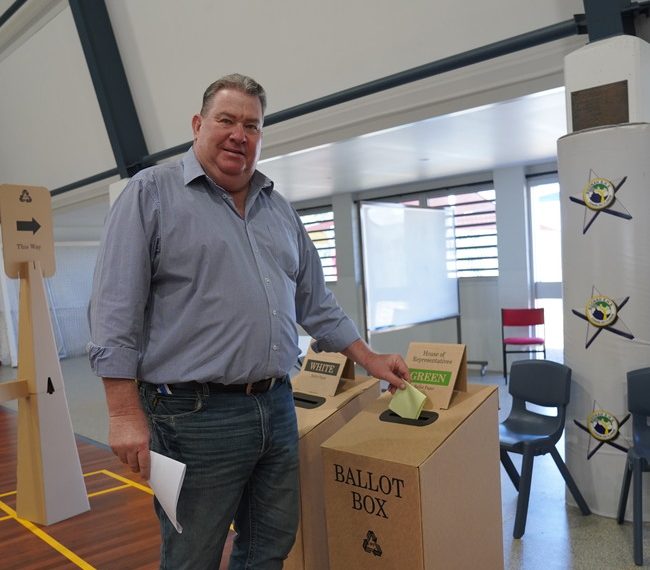
Logan’s representation on the front benches of federal parliament has been expanded with the city’s last remaining opposition MP appointed to the shadow ministry.
Member for Wright Scott Buchholz was this afternoon announced as the Shadow Minister for Skills and Training.
In his first words post-appointment, he promised to fight to ensure Logan had its “fair share of investment and access” to skills and training.
Mr Buchholz, who was first elected to the west-Logan seat at the 2010 election, said he was honoured to be given the portfolio.
“Australia is facing significant economic challenges, cost-of-living pressures, productivity constraints, and growing labour shortages across key industries.
“Skills and training must be front and centre in our national response. A strong and modern workforce is essential to building a stronger economy, growing regional communities, and giving Australians, especially young people and those looking to reskill with real opportunities.”
He said skills and training were vital to supporting jobs, businesses and communities.
“In Logan, we have a growing and diverse community with enormous potential. Skills and training are key to unlocking opportunity, whether it’s through vocational pathways, supporting women back into the workforce, or helping new Australians secure meaningful employment.
“I’ll be fighting to ensure Logan gets its fair share of investment and access to practical, job-ready education.”
Now is the time for the Coalition to roll up its sleeves, Mr Buchholz said, and focus on Australia’s future.
“Following the sobering outcome of the federal election, it is clear the Coalition has a great deal of work to do, both internally and externally. Australians sent us a message, and we must listen carefully, act thoughtfully, and respond decisively,” he said.
“Now is the time to unite the Liberal Party, rebuild trust with the Australian people, and return to the values that have served our country well, freedom, personal responsibility, reward for effort, and enterprise.
“These are not outdated ideas, they are essential to how we address the real and present challenges of today, from education and employment to housing and national resilience.”