


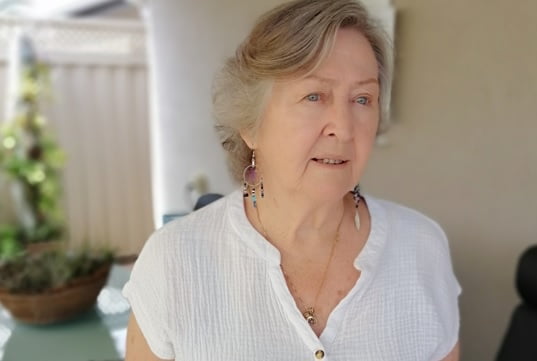
Three years on, the Eagleby Community and Wetlands Group is continuing to fight against the Coomera Connector, applying for a grant to conduct eDNA (environmental DNA) studies on the wetlands.
The Eagleby Wetlands Group has been challenging the proposed route of the northern section of the Coomera Connector for the past three years, with the road set to affect not only Eagleby residents, but eco-tourism opportunities and threatened migratory bird species.
The group has recently applied for an EnviroGrant from Logan City Council. The grant offers up to $10,000 to help groups deliver environmental projects across Logan city.
Group spokesperson Marilyn Goodwin says the group will find out at the end of May if they have been successful.
“Eagleby is a beautiful green space, one of the last between Brisbane and the Gold Coast. It is already known internationally as one of the best birdwatching places in Queensland,” she said.
“Everything will be affected by this highway; people and their health, animals and their habitat and the possibility that Eagleby could be the hub of a thriving eco-tourism providing jobs and security for its residents.
“If successful, we will have wetland experts conduct eDNA studies on many of the wetlands in the complex system.”
Towards the end of 2021, the Eagleby Community and Wetlands Group were involved in the National Snipe Survey.
“Latham’s Snipe is a migratory bird protected under the JAMBA Convention between Japan and our Federal Government,” Ms Goodwin said.
“This bird flies directly from Japan to Australia to feed and rest before returning to Japan to breed. Eagleby is one of its resting places and we found 18 in a 4-hour time period and another four later in the day.”
During the 4-hour time period a total of 2,243 birds (excluding crows) were counted across five sites.
Chair of Wildlife Tourism Australia Ronda Green, who managed the survey, says although Eagleby doesn’t harbour any endangered species, it does have a valuable variety of habitats.
“This is important for biodiversity conservation, as many species don’t just stay in one habitat throughout the year. Waterbirds may forage in one kind of water body through much of the year but choose a different kind for nesting,” Dr Green said.
“Bush birds may find some of their food is available in the tea-tree areas for part of the year and in the eucalypt-dominated habitats at other times. Native swamp-rats move between swamp and eucalyptus bushland between breeding and non-breeding seasons as well.”
Dr Green believes these habitats also provide great eco-tourism opportunities for Eagleby.
“Not only does the variety of habitats provide marvellous birdlife, plus kangaroos and the possibility of echidnas, but it’s so close to a capital city, a major tourism area, two international airports, an international cruise ship port and a major railway station,” she said.
“Bowra Station (near Cunnamulla) or Kakadu may well have more birds, but it’s not a situation where bird-lovers can easily visit.”
The Eagleby Wetlands Group will be part of a Community barbecue and expo at Logan River Parklands on April 30, as well as the Logan City Council’s environmental community gathering in May and the Leaf Festival in June.
Ms Goodwin says everyone is welcome attend the group’s regular meetings at 6.30pm on the first Monday of each month, at Brigalow Country Community Club, 297 Logan St, Eagleby.