



Australia’s First Nations people have been sharing their culture through oral storytelling for thousands of years. This year’s National Reconciliation Week theme is “all in”, a call for all Australians to commit to taking meaningful action for reconciliation. It’s the perfect time to share First Nations stories, told in their own voices. Here are six picture books you can borrow from Logan City Libraries to share with the little readers in your life, or to just enjoy for yourself:
Greedy Frog
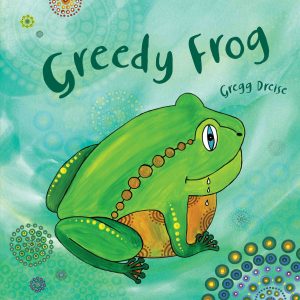
Way back before once a time, there was the Dreamtime. A cheeky frog promised to take care of all the water, but he kept it in his pouch and the animals had to work together to get it back. This is a retelling of one of author and illustrator Gregg Dreise’s favourite childhood stories, which many people know as Tiddalick the Frog. Dreise has used the traditional spelling Tjidalih from his First Nations language groups of the Goomelroi/Kamilaoi and Euahlayi people from south-west Queensland and north-west New South Wales. The story is beautifully illustrated in his signature style, with a foundation of dry ochre layered with modern mediums. A note at the back of the book gives First Nations’ insight into the story, including how the water-holding frogs help First Nations people during drought; how to have fun reading the story to children, and how to pronounce Tjidalih. Greedy Frog is written and illustrated by Gregg Dreise and published by Magabala Books.
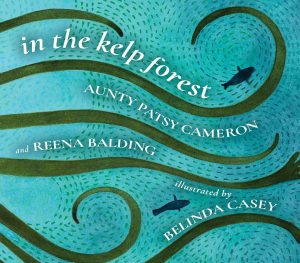 In the Kelp Forest
Both the words and pictures in this book evoke a sense of movement, mirroring kelp moving with the waves and the tides, “whirling and swirling” as the story explains the significance of kelp forests to both the environment and First Nations people. It introduces readers to words in First Nations languages, including “myerlee” for kelp from the Oyster Bay nation language and “patterleenner” for abalone or muttonfish in the Coastal Plains nation language. Information at the back of the book describes the animals kelp forests provide habitat for, as well as the work being done to restore kelp forests in Tasmania. In the Kelp Forest is written by Aunty Patsy Cameron and Reena Balding, illustrated by Belinda Casey and published by Magabala Books.
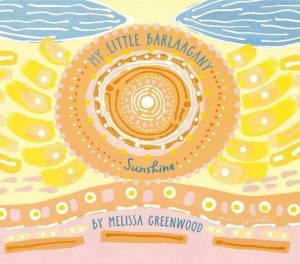 My Little Barlaagany (Sunshine)
This book is a beautiful showcase of First Nations art. Every page is gorgeous, filled with the colours of nature as little readers travel through the day, greeting the sun, the moon and stars. Readers are introduced to words from the author’s Gumbaynggirr language and at the back of the book, there’s a full translation. The endpapers are beautiful too. My Little Barlaagany (Sunshine) is written and illustrated by Melissa Greenwood, published by Harper Collins Children’s Books.
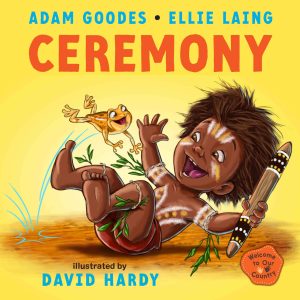 Ceremony
This book joyfully shares preparations for a First Nations ceremony. It’s written in an uplifting rhyme and the children are bouncing with excitement, helping the elders – and getting into mischief, which adds humour and fun. There’s the hint of men’s and women’s business and an illustration showing the sheer joy of a child having their face painted. Singing, dancing, clap sticks and traditional food are included and the story finishes with a invitation to sleep, making it an great bedtime read too. Ceremony is part of the Welcome to Our Country series of books written by Adam Goodes and Ellie Laing, illustrated by David Hardy and published by Allen and Unwin.
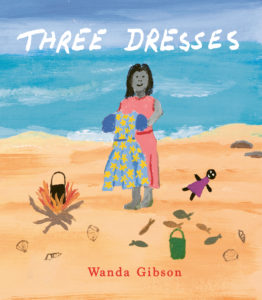 Three Dresses
The author shares her recollection of joyful childhood summer holidays spent away from the mission, giving young readers insight into life for Aboriginal children in the 1950s. Wanda and her family walk for two days to camp at the beach near Hope Vale in Far North Queensland. She remembers taking three dresses – one to wear, one to wash and a spare. The family spend their holidays swimming and fishing, with the girls helping mum while dad uses his spear and woomera. Three Dresses is written and illustrated by Wanda Gibson and published by University of Queensland Press.
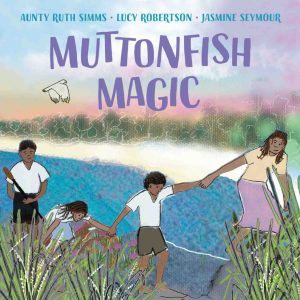 Muttonfish Magic
This beautifully-illustrated book shares author Aunty Ruth Simms’ memory of the long walk from her home on Australia’s oldest Aboriginal reserve at La Perouse in Sydney to the bay with her mum and siblings. Her mum would teach the kids about plants on the way and, when they arrived, she’d show them how to make lunch from the land. They would catch muckendy rock cod, collect muttonfish and make a soup with salt flaked from the rock. It’s a lovely story of family life and culture. Notes at the back of the book share insight into the author’s heritage and the origin of the Aboriginal reserve. Muttonfish Magic is written by Aunty Ruth Simms and Lucy Robertson, illustrated by Jasmine Seymour and published by Magabala Books.
National Reconciliation Week marks two key dates in Australia’s history: the 1967 referendum on 27 May, where more than 90 per cent of Australians voted to include Aboriginal and Torres Strait Islander people in the census and grant the government power to make laws for them and the 1992 High Court Mabo decision on 3 June, which successfully challenged terra nullius and led to the legal recognition of Native Title.
Subscribe to stay up-to-date with news from across Logan. You’ll receive a link to our digital newspaper direct to your inbox each week. It’s free.
Follow MyCity Logan on Facebook and Instagram