


Logan is the new home to Australia’s first recycling facility for blended polyester-cotton waste sourced from places like hotels, hospitals and laundries.
Due to open early 2022, BlockTexx has the lofty ambition of saving 4000 tonnes of poly-cotton from landfill in its first year of business.
BlockTexx creates textile pellets from waste, which are then sold and used to produce goods such as building supplies, car parts, clothing, and playground equipment.
The company uses a “separation of fibre” approach – the process of unlocking cotton and polyester from used fabric.
“We’re the only chemical recycling company in the southern hemisphere focussed on polyester-cotton blended fabrics,” said BlockTexx co-founder Graham Ross.
“By focussing on that, it gives us 80 per cent of the global cotton market, which is where we will make the biggest impact.”
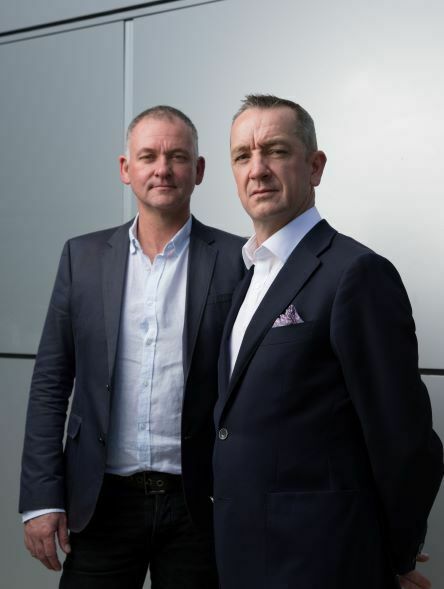
After looking at different areas, Mr Ross and co-founder Adrian Jones settled on Logan for the great support they received from Logan City Council.
“The council were fantastic to work with and showed the most interest in getting us here,” Mr Ross said.
In its first year, the facility at Loganholme is expected to generate $43 million for the local economy.
Over four years, it aims to bring 130 jobs and pump more than 50,000 tonnes of recycled textile back into the global supply chain for poly-cotton.
There has been limited investment internationally into services that can recover poly-cotton fibre in the way BlockTexx can, Mr Ross said.
“We’re not increasing the scale of fibre-to-fibre recovery because it hasn’t been invested into, and that’s what makes BlockTexx incredibly important,” he said.
Mr Ross said there is a large international demand for BlockTexx due to a growing shortage of recyclable polyester. This is offset by bottle companies starting to limit the number of used plastic bottles in circulation, which major fashion brands use for polyester in clothes production.
“All the beverage companies now want their bottles back and are putting them back into their own production cycles, so the feedstock available to turn back into fibre is diminishing,” he said.
Mr Ross started the company with Mr Jones in 2018 to address the impacts of fast-fashion.
“We thought there had to be a better way to redirect this huge amount of waste from landfill,” he said.
In BlockTexx terms, waste is called “feedstock” which comes from many sectors.
“That’s things like linen from laundries, hospitals and hotels, and workwear that is being used by major corporations like airlines and banks which can’t be resold,” he said.
Mr Ross said they will eventually break into the post-consumer market but for now they are focussed on sectors that guarantee them the most reliable quality of used textiles.
BlockTexx has partners in Queensland and interstate. These will be announced closer to launch.