


New data shows 80 per cent of Australians have slashed their spending, while online spending nation-wide has taken a $2.6 billion dip.
People are reducing expenditure on groceries, shopping, travel and entertainment; and some even on medicine, education and insurance, according to multiple reports by Airwallex and Compare the Market.
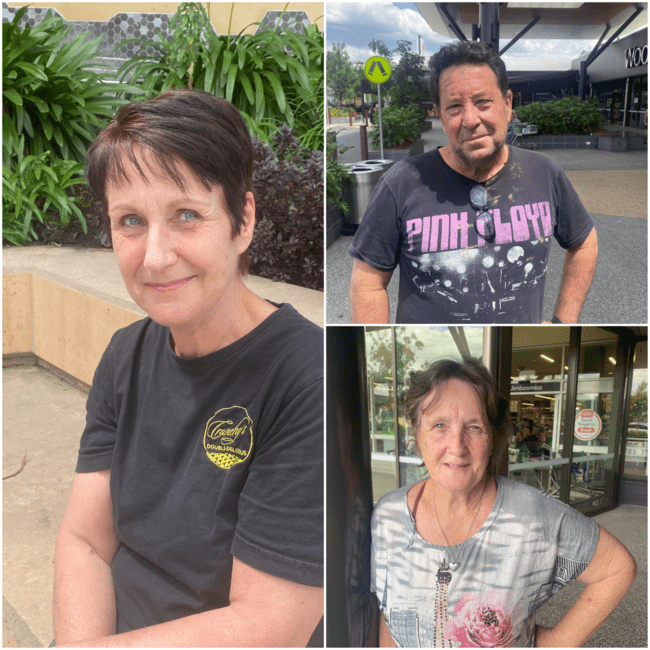
Local resident Kim Bolland said he has saved money by “basically cutting back on everything”.
“I don’t go out as much and I only buy what I need,” Mr Bolland said.
“Petrol is a big one – I don’t drive to as many places.”
He’s also cut back on entertainment, like going to the cinemas and subscriptions to streaming services, as well as travel.
“That’s something that would be put on the back burner,” Mr Bolland said.
Several Logan residents said petrol was their most concerning expense, including Jimboomba local Natalie Hughes.
“I’ve cut back on everything, especially going out – mainly because of fuel,” she said.
Ms Hughes said she recently cut back on general “everyday living” costs, including how much she spends on groceries.
“I go for the cheaper food,” she said.
“Like with meat, instead of the good steaks that we usually get, we now get chops, and a lot of chicken.”
Compare the Market’s latest research found 60 per cent of people cut back on takeaway meals, and four in 10 people said they were spending less on their weekly grocery shop – some by shopping at smaller independent stores.
“I shop at a large chain, only because I work next to one,” Ms Hughes said.
Ms Hughes works at a local florist, where business was “very slow at the moment”.
“I’m not sure whether it’s small businesses or whether it’s all business,” she said.
“But I have noticed that people are still spending.
“If people want flowers, then they’ll come in and spend $80 or $100.”
Instead of completely cutting back, Ms Hughes said, people are now just more discerning with what they spend.
“Some days we don’t have any customers, and others we’re flat out,” she said.
One of Ms Hughes’ business neighbours and owner of Crunchy’s Dessert Café, Mary-Ann Tonnaer, said business was tough – but only on weekdays.
“The weekends are fine, but the weekdays are quite slow,” she said.
“For two or three weeks, it’s been really hard.”
She said while the cost of living was so high, people were spending less on luxuries like desserts.
“Dessert comes last – it’s always last,” Mr Tonnaer said.
She said she struggled to save in the current climate.
“We just don’t save money – it’s a hard time,” she said.
Crunchy’s has been at the same location in Jimboomba for two years, and she said hospitality was definitely a labour of love.
“It’s a lot of stress,” Mr Tonnaer said.
“We come from Holland, where I was a nurse and my husband was a lawyer, and we wanted to come here and change our lives, but recently it has been a hard time for us.”
Data from Airwallex and Compare the Market show people are cutting back on luxuries like gym memberships, manicures and takeaway.
The solutions, according to the experts is not pay more than necessary for essentials, not miss out on the rewards you’re entitled to, and to minimise waste.