


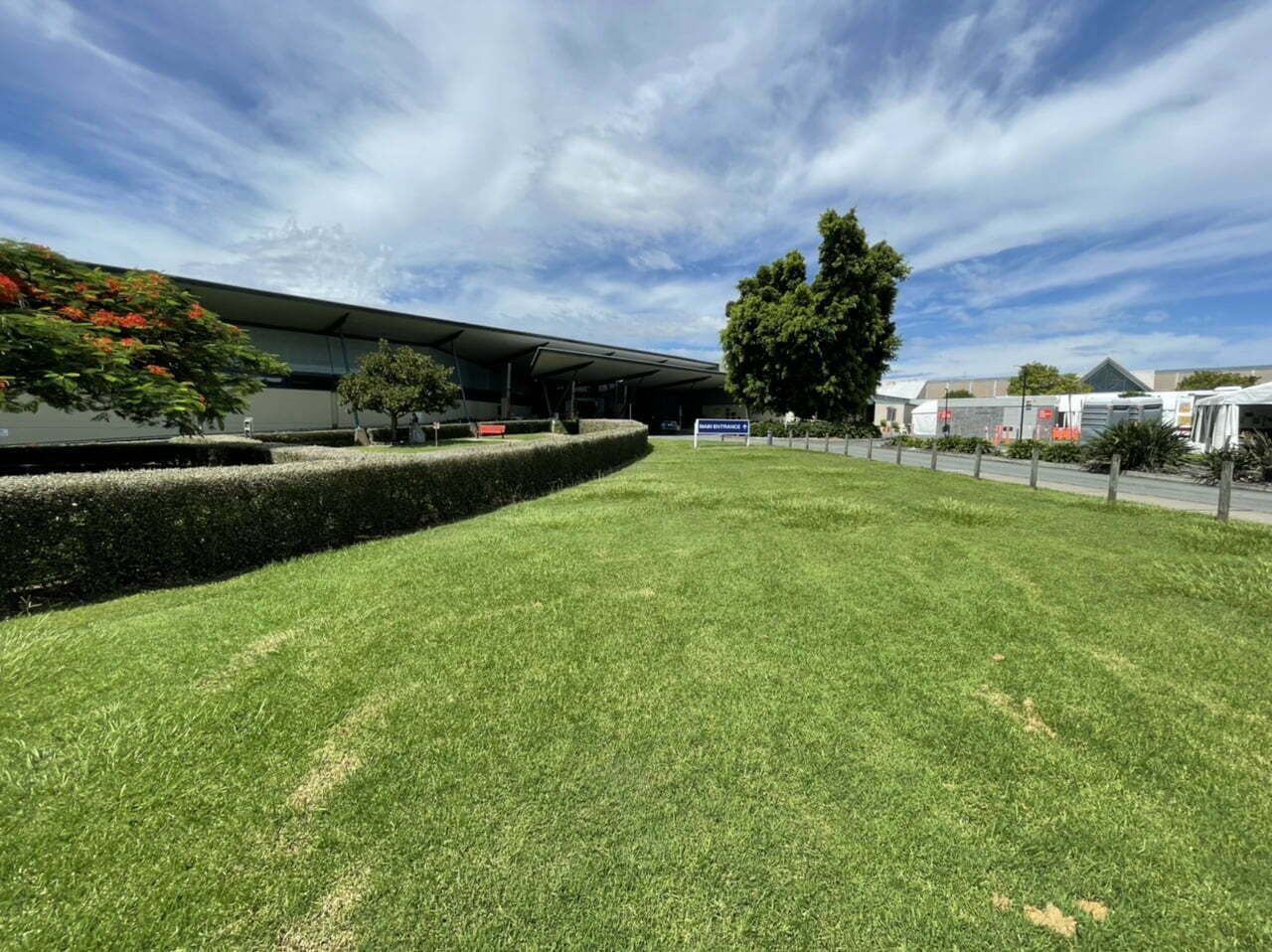
On a sunny Logan afternoon, specially trained health practitioners work together at a major public hospital, methodically triaging and treating patients.
Most clinicians have been on their feet for hours. Some are pregnant. Many are parents, with lived experience of awaiting news of a sick child. Others are beginning to feel burnout—but they still get up each day. They turn up.
All have witnessed unimaginable trauma.
In the ED waiting area, some patients become restless. But most sit quietly—trusting the process.
Their attention is diverted to the triage desk, where verbal aggression pierces the quiet hum of the room.
A member of the public towers over an ED nurse, demanding treatment.
The nurse explains the triage process, asking for understanding: a major trauma has just come in. There are staff shortages. Some clinicians have Covid.
But the ED nurse assures the patient they will be seen.
In expletive-laden language, the member of the public shouts that their GP is too busy, and reception told them to present to ED if symptoms changed. They use gender-based slurs. Some of the verbal aggression is horrifically racist.
The nurse remains resolute, providing reassurance: all patients will be seen.
Another clinician attends, and together, they de-escalate the situation. If these frontline workers are shaken, it doesn’t show. They regulate their emotional responses appropriately.
Across town, a GP working in community health is tired. It is a warm day, and they are wearing the full PPE sometimes required in non-acute settings.
Much like their ED colleagues, this GP has witnessed unthinkable trauma.
Today, they quietly reflect on their decision to specialise in general practice. The answer is clear: they are needed. Australia’s GP shortage is at crisis point.
Dr Simon Torvaldsen, Chair of the Australian Medical Association’s Council of General Practice, explains that GPs work within a “system that rewards us for delivering lower-value care and penalises us for taking the time to manage complex cases.”
Nationally, only 15% of new doctors train to become specialist GPs, a figure that does not match the number of experienced GPs leaving this speciality.
Lower-value care should not be mistaken as lower-quality care, says Dr Torvaldsen. Medicare was “underfunded to begin with, and has been progressively underfunded ever since.”
The overall GP shortage impacts individual workloads, placing pressure on an already under-resourced profession to perform to full capacity. In turn, these pressures can impact GP well-being, and contribute to burnout.
The AMA’s doctor-led initiative, DRS4DRS, provides holistic support to doctors, addressing the unique barriers to care faced by practitioner-patients.
At the tertiary care level, Logan Hospital also supports practitioner well-being. A spokesperson for Metro South Health told MyCityLogan that ED staff participate in regular sporting events, catch ups and visits from much-loved Therapy Dog, Cupid.
A dedicated breast feeding room is provided to ED staff, helping new parents balance work with care-giving arrangements.
The Logan community can also bolster health practitioners’ well-being.
Logan Hospital statistics show 86 incidents of occupational violence, including verbal and physical aggression, which occurred at the emergency department during 2020-21.
The 2022 year-to-date figure stands at 84.
Logan is a culturally and linguistically diverse community. Many of our health practitioners bring invaluable internationalism to their practise.
There is no place for racism in our community—and our community includes all clinical settings.
We are often reminded to check on our mates during the holiday period.
This year we can also ask our health practitioners how they are going—and perhaps thank them for providing the public service of healthcare.
- Bec Jonas is a freelance journalist living on the Yugambeh language people’s land. She has special interest in public health and trauma reporting. Want to share your story? Securely contact Bec at beccjon@proton.me