


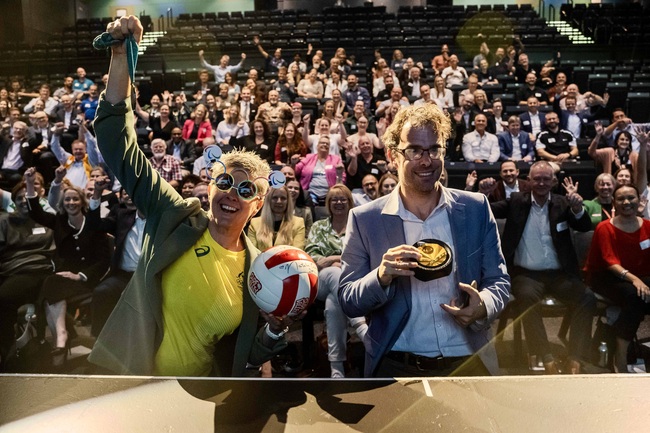
The 2032 Brisbane Olympic Games is set to change the public perception of Logan, according to discussions held inside the city’s first Olympic legacy forum.
The forum involved nearly 200 people from a broad cross-section of the community, plus key stakeholders from Games planning organisations.
The collective came together at the Logan Entertainment Centre to provide feedback on the City of Logan Legacy Roadmap.
According to Logan City Council, the forum was held to “inspire ‘big sky’ thinking” and encourage collaboration across community and business sectors to create a vision for the city.
Those involved also shared lessons from the Paris Olympics from Games.
The event was emceed by Olympic beach volleyball player Nat Cook, and featured a panel discussion between Griffith University’s director of Games partnerships and engagement Caroline Riot, Yugambeh elder Uncle Ted Williams, Paralympic swimmer Matt Levy, Slacks Creek Mosque’s Dr Zarakia Amin and founder of recycling company Blocktexx, Graham Ross.
Mayor Jon Raven told attendees in a speech that by working together, the city could build an Olympic legacy that would change how people think of Logan and help put it on the world stage.
“This is our moment, and every single person in the room today has a chance to shape what that means for our city,” he said.
“Whether you’re a passionate local, a potential investor or a key stakeholder from sports associations or Games planning committees. We can’t do this without your help.”
Council said feedback from the forum would help inform its Games Legacy Action Plan to ensure the city would be ready to take advantage of the long-term social and enonomic benefits offered by the Games.
The city’s current legacy roadmap outlines 19 initiatives designed to generate “comprehensive and lasting benefits” in the years leading up to 2032, and the decade after.
The initiatives revolve around boosting tourism, delivering new community facilities and infrastructure (including the city’s future 7000-seat stadium), stimulating economic growth, improving the health of residents, and leveraging the cultural diversity of the community.