


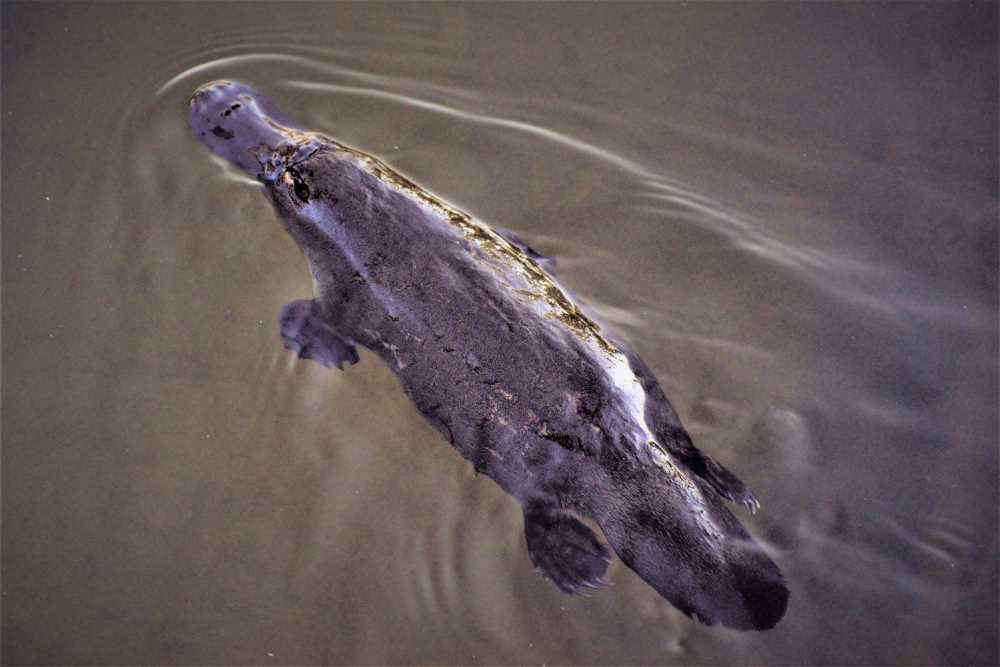
Where have all the platypuses gone?
A reduction in platypus sightings in the Albert River has prompted experts to seek community support.
Watergum’s PlatypusWatch has been surveying platypus in the Albert River since 2018.
The environmental organisation claim pollution, road works, farming, and yabby traps are to blame for a recent decrease in sightings.
“The Albert River system faces many of the familiar challenges that come with urbanisation and extreme weather events, and these are likely affecting our local platypus populations in recent years,” Emily Straton from the PlatypusWatch team said.
“Riverbank erosion caused by vegetation clearing and livestock, coupled with water pollution and weed infestations, degrade platypus habitat and impact platypuses’ ability to feed and breed successfully.
“Platypus also face increased threats from roads and invasive predators such as foxes and cats as they attempt to move about the catchment and find better conditions.”
While decreased sightings is cause for concern, Ms Straton said it was not “all doom and gloom” for platypus populations in the Albert River.
“Lots of work is being put into removal of invasive weeds and replanting of native vegetation along riverbanks, on-going investment into platypus conservation activities in the area,” she said.
“eDNA testing and population data collection is helping us to understand how to best support local platypus going forward, and most importantly, community engagement and awareness raising is helping to protect vulnerable habitat.”
Up to 40 volunteers head out to the Albert River twice a year in the hopes of spotting platypus.
Ms Straton said the animal were important because they were one of only five egg-laying mammals or “monotremes”, in the world and the only one endemic to Australia.
“Platypuses are a key part of the Australian ecosystem and a treasured native species,” she said.
“With a rapidly declining population, it is essential they are monitored and protected before they disappear.”
Watergum is now calling for more Logan volunteers to help out.
“The more sites we cover during our surveys, the more comprehensive our study of their population dispersal is,” Ms Straton said.
“If you are a Logan resident and want to support your local platypus population, you can help by attending educational events, raising awareness within the community, and most importantly, joining the survey effort.
“If you live on a waterside property, you can even survey from your own property and provide much needed population data from parts of the river that are inaccessible to other PlatypusWatch volunteers.”
The next Albert River survey is on Saturday 8 September.