


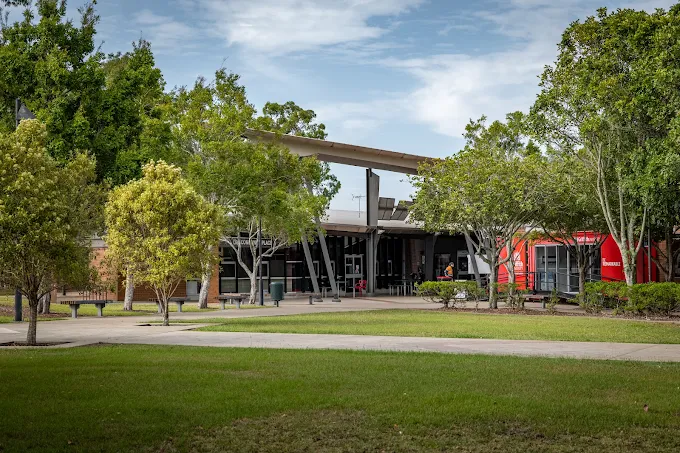
Griffith University has underpaid thousands of staff almost $6 million over the last decade, but the Fair Work Ombudsman (FWO) says the university “deserves credit” for owning up.
Over 5400 staff across the university, including at its Logan campus in Meadowbrook, are being back-paid more than $8.34 million for unpaid work, the university said.
In total, the university owed about $5.95 million in unpaid wages between July 2015 and June 2024, interest of more than $1.55 million, and unpaid superannuation (and interest on superannuation) of $830,000, according to the FWO.
Some employees were underpaid more than $92,400 dollars, while others less than $1, a FWO spokesperson said.
Griffith University claims all but $81,000 has been repaid.
The university reported itself to the watchdog in March 2022. The FWO claims the university cooperated with the investigation and demonstrated a “strong commitment to rectifying its non-compliance issues”.
“Griffith University deserves credit for acknowledging its breaches and the underlying issues, and committing significant time and resources to put in place corrective measures that will ensure both full remediation of impacted staff and improved compliance for the future,” ombudsman Anna Booth said.
“The matter serves as a warning of the significant long-running problems that can result from an employer failing to have appropriate checks and balances to ensure workplace compliance.”
The error impacted thousands of staff employed full-time, part-time and casually as academic, professional, support and fitness staff, and proctors.
The FWO found the issue was caused by insufficient training among course convenors and school administrators, insufficient data collection in onboarding processes, insufficient or non-existent payroll and data review processes, a lack of automation that allowed for human error, and deficiencies in various payroll systems.
“Griffith University failed to pay correct rates for initial and repeat tutorials and other academic activities as well as PhD qualification rates, subject coordination rates, initial session rates, proctor rates and research assistant rates,” FWO said in a statement.
“It also did not correctly pay employees for minimum daily engagement periods, and did not pay fitness employees split shift and meal allowances. Progressions between pay bands were also incorrectly paid.”
A Griffith spokesperson apologised for the situation, claiming the university regretted the impact it had.
“We proactively notified the Fair Work Ombudsman and are currently working to rectify the issue. Most importantly, all affected current and former staff who can be contacted have been repaid with interest,” the spokesperson said.
“Griffith has entered into an Enforceable Undertaking with the FWO which includes committing to undertake a number of activities to ensure ongoing compliance. This includes implementing training and education to some staff and streamlining and improving processes.”
Ms Booth said the commitments secured under the Enforceable Undertaking, including a consultative body for improved collaboration between university management, employees and their union, would help to drive cultural change across Griffith University, and were an example for the wider university sector.
“Improving universities’ workplace compliance is a priority for the Fair Work Ombudsman. We look forward to working with the leadership teams at universities nationally to assist them to do the sustained, smart work required to ensure full compliance with workplace laws,” Ms Booth said.