


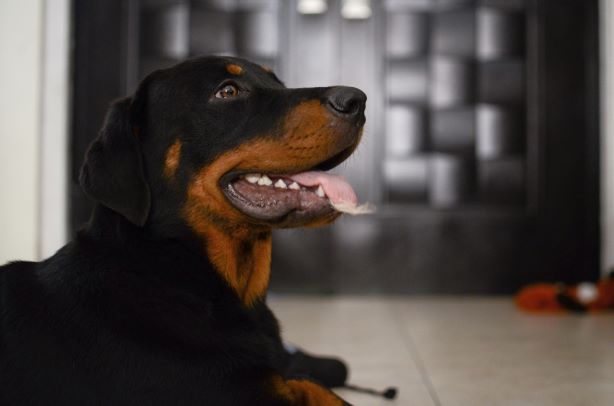
A vet clinic in Underwood needs more dogs to help trial a new anti-cancer drug.
Veterinary Specialist Services is helping trial the drug which has shown to be effective for dogs that have not undergone treatment for lymphoma.
Almost 50% of dogs over the age of 10 will develop cancer and about a quarter of all dogs will develop cancer, a Vet Cancer Society study says.
PharmAust, which is trialing the new drug says it’s a timely reminder to regularly inspect your pet for any lumps or bumps and pay attention to sudden changes in appearance and behaviour.
The drug Monepantel, has undergone a Phase I trial in humans, andis now moving to Phase IIb in dogs.
Lymphoma is a common cancer diagnosed in dogs. Symptoms can include swellings (enlarged lymph nodes), lethargy, weight loss and loss of appetite.
“Currently, there is no cure for B cell lymphoma,” chief scientific officer of PharmAust Dr Richard Mollard said.
“Usually, only 50% of dogs with B cell lymphoma will survive without treatment for around 30 days and the other half will have progressive disease.”
Trial centres are evaluating dogs that have been newly diagnosed.
“So far, the initial trials in pet dogs with cancer have proven successful,” Dr Mollard said.
“We were pleased to see that in the first trial using the original liquid formula, six of seven dogs achieved stable disease over a prescribed 14-day trial period, with six of seven dogs also showing reductions in their tumour sizes.”
No safety issues were encountered in this first trial, however the the drug formula had a particularly unpleasant taste. So, the drug was reformulated from liquid to a more convenient tablet.
“This tablet resolved the taste problem and allowed us to significantly increase the dose being given in a second Phase IIa trial,” Dr Mollard said.
“From this trial, using this tablet we were able to identify an optimal dose where anti-cancer activity was maximised. At
this dose, one dog’s total tumour burden reduced by over 60% and some of the individual tumours disappeared, all within 14 days. It is this dose that we are now taking into the new Phase IIb trial.”
Currently, the best indicated treatment option is chemotherapy, which comes with its own set of limitations and adverse events, and relapse can occur within six to 12 months.
“Monepantel is comparatively very gentle and we would like to see dogs doing well over the first 28-day period, then three and six months, and longer,” Dr Mollard said.
“If this trial determining the optimal prescribed dose is a success, PharmAust will embark on a larger Phase III trial. Going forward, owners of pet dogs with B cell lymphoma will then be given a greater choice of treatment options for their dogs. PharmAust would like to see dogs feeling considerably better, with tumours either disappearing or stabilised.”
To participate in the Phase IIb trial, dogs can have any stage of lymphoma but must be feeling generally well.
Dogs should weigh more than 11kg.