


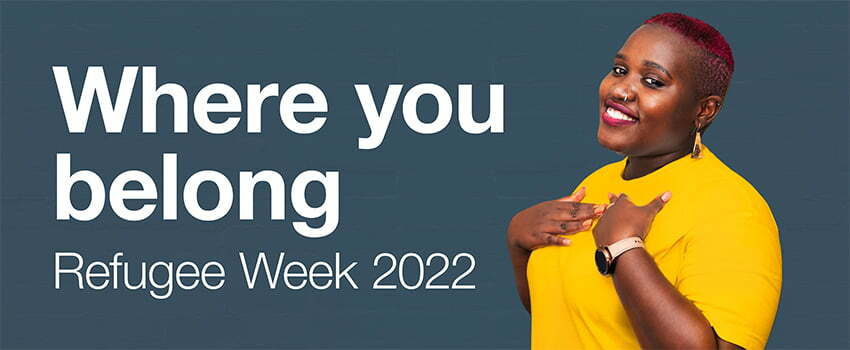
Rachael Kirabo’s face has been on local billboards as part of a diversity campaign.
But her story goes much deeper than that. She is the epitome of success.
Ms Kirabo, from Uganda, has been supporting Logan cultural communities and vulnerable youth since 2018 – after fleeing her country by herself at just 17-years-old.
“I fled Uganda and went to Kenya when I was 17 to seek asylum. I lived there for just over two years and then was granted access to Australia,” she said.
“I always had a passion to be a police officer, because back home it wasn’t a good experience with women often being abused by police officers, so it was my passion to really make a difference.”
When Ms Kirabo arrived in Australia, she went to Tafe to learn English and then decided to complete certificates in hotel operations and security. She worked as a security officer for three years.
“Because I really wanted to be a police officer, I looked for other things to study and through a Tafe placement working with youth, I decided to do a Crime and Justice Diploma,” she said.
“I soon realised it wouldn’t be easy to become a police officer in Australia, being young and from a cultural background like mine with limited English.
“I asked myself what other way I could give back to the community and do something I love and that’s when I started supporting refugees in the community – working with Access and NDIS.”
Ms Kirabo works with youth from refugee and asylum seeker backgrounds, and their parents, to help them understand the education system and communicate with schools using appropriate services.
“I find working with people of cultural backgrounds very rewarding because I can relate to them. I was once that person and know what they need to get the help. I understand their problems,” she said.
“I want to break the barriers and help support refugees and the community, create awareness and get them the appropriate support they need to help them become leaders for their community.”
She said belonging was very important for young people of cultural backgrounds.
“Feeling a sense of belonging brings them comfort and security. They don’t have to keep looking behind their backs. It helps them to know they have a stable home and a stable family,” she said.
“Healing is when you feel like you belong, that is when we are accepted into the country. I want society to not think of us as refugees, because it doesn’t make us feel like we belong. We are home now; we are safe and that is what makes us feel like we belong.”
In the future, Ms Kirabo would like to see more young people from cultural backgrounds become leaders.
“I want to see them in big positions, be leaders and be the voice of their community,” she said.