


No one expects to encounter methamphetamine residue on their walls, carpets and home surfaces, but it happens more regularly than many think.
And it happens to unsuspecting buyers or renters of properties, such is the widespread drug use behind the walls of many communities, including Logan.
At least one company has made it their mission to detect and rid homes of the illegal menace.
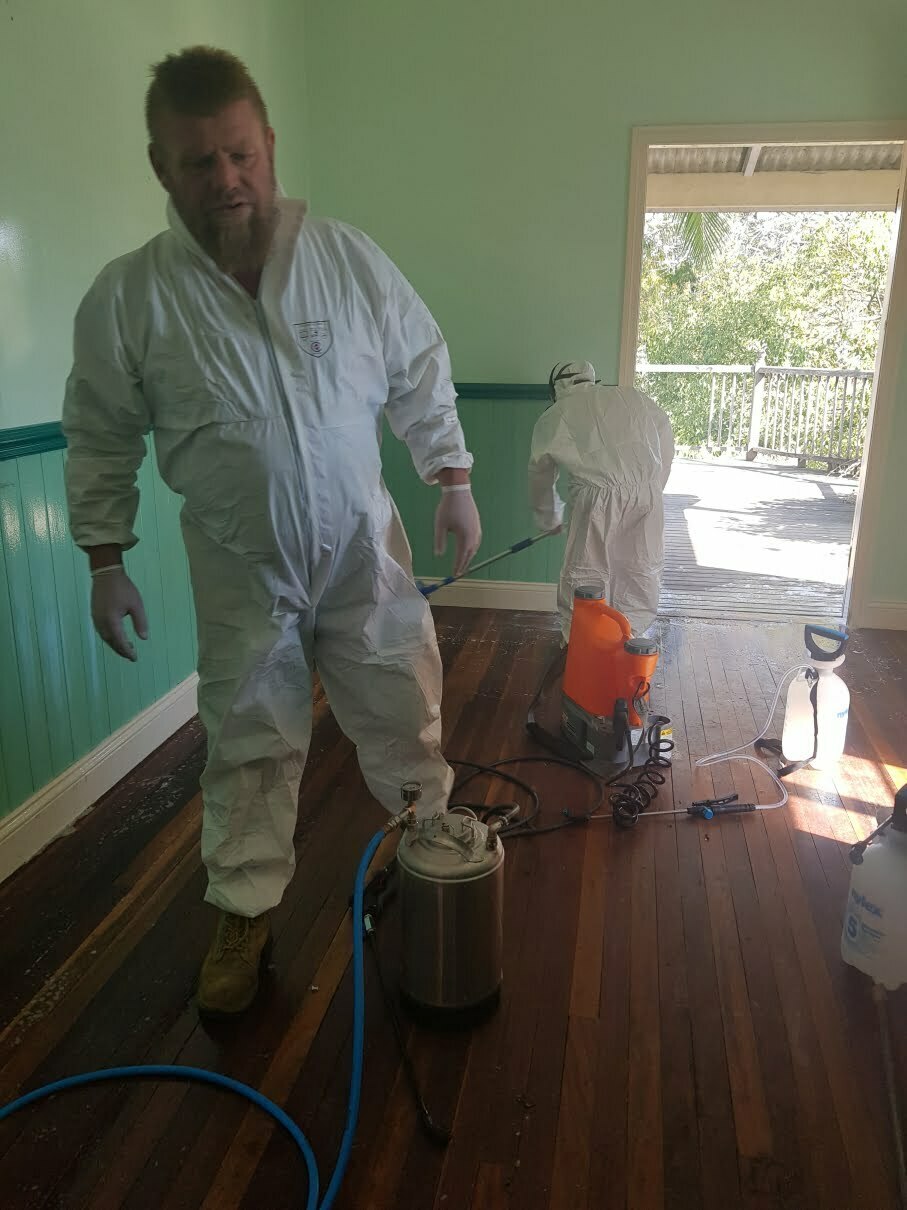
Armed with the right chemicals, they swab for signs of drugs, and may later go to lab testing.
Authorised home pest and drug inspector Steve Annells said methamphetamine residue could fly under the radar, but it should be one of the first priorities on a house inspection list.
If found, it could be expensive to fix and can cause serious health risks, he said.
Mr Annells is a director of DunRite, a termite and pest controller that has found a need to inspect for drugs around Logan and the southeast.
Meth residue in homes is the “chameleon” of all inspection problems, he said.
“There’s no visible sign and it doesn’t smell, so it’s a bit of a chameleon and young children will become quite uncontrollable because they’ve basically got the meth in their system and their immune system can start to crash,” he said.
Allergies and chest infections can be exacerbated at exposure, he said.
Residue is predominantly detected on carpet and walls, resulting from smokers or manufacturers of the drug.
“If you’re buying a house, you should have a meth inspection done,” Mr Annells said.
Mr Annells wants drug inspections to be added to the list of priorities before banks hands over the funding for a purchase, and wants it also to be advocated for by the nation’s chief real estate bodies.
“No one’s asking for building, pest and drugs, so the bank should be asking for the lot before they authorise funding to use for the house,” he said.
“Because once you realise it’s a problem, you need to spend, say, $1800-2000 on testings, and then when it comes back when there’s a problem, it’s going to cost $10-15,000 to remediate.”
Real Estate Institute of Queensland’s Antonia Mercorella said “thorough due diligence” is needed before purchasing a property.
However, the REIQ does not consider meth testing to be a consideration in common due diligence.
“While we wouldn’t consider meth testing in properties to be common due diligence, some buyers may decide to test for drug residue at their discretion if they have reason to believe it is a risk,” Ms Mercorella said.
Meth residue testing starts with a rapid test swab which gives them a yes or no answer and the next level up is lab testing.
Once the outcome is known, remediation starts, which involves intensive cleaning all the way up to the costly exercise of gutting entire properties.