



Businesses across Logan are changing how they operate as fuel prices continue to bite, with many warning that financial pressure is flowing through to workers and customers.
A new survey by the Logan Chamber of Commerce paints a picture of widespread disruption, with most respondents saying they have already altered their business practices to cope with rising costs.
The data, supported by charts provided with the survey, shows petrol and diesel remain the dominant fuel sources for local businesses, accounting for the overwhelming majority of use.
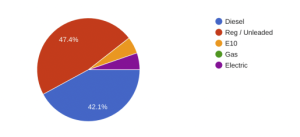
Diesel alone makes up more than 40%, reflecting the heavy reliance of logistics, trades and service-based industries on transport.
That dependence is now driving businesses to evaluate or even change how they operate.
Co-founder of B&C Plastics, a Meadowbrook-based plastic mould manufacturing business, Wendy Kent, who took part in the survey, said the impact on their business was immediate.
“We were contacted by material suppliers, freight suppliers, box suppliers, you name it, with price increases pretty much straight off the bat,” Ms Kent said.
“It’s progressively gotten worse over the last few weeks. It’s a bit of a rollercoaster.”
Ms Kent said the pressure is being driven not just by local fuel costs, but global supply chain disruptions linked to conflict in the middle east.
“Many of our suppliers have just stopped manufacturing completely and ships are sitting out at sea because they can’t get insurance,” Ms Kent said.
About 68% of surveyed businesses said they had already made operational adjustments due to fuel costs.
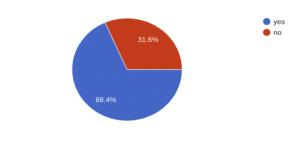
These include reducing travel, moving meetings online and introducing work-from-home arrangements.
The chamber survey said these decisions were no longer optional for businesses.
In a statement, it described the current environment as a “fuel price shock”, with some sectors facing extreme pressure as diesel prices surged during recent contract periods.
The impact is also being felt by workers.
Nearly two-thirds of businesses said fuel prices are affecting their employees’ ability to get to work.
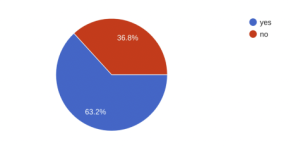
Limited public transport options in some areas are compounding the issue, particularly for shift workers.
Ms Kent said many of B&C Plastics’ employees were concerned about how rising prices will impact them
“Especially those on their own, paying rent or a mortgage. The price of fuel going up is huge for them,” Ms Kent said.
While some office staff have the option to work from home, Ms Kent said that is not possible for most of her workforce who operate heavy machinery on the factory floor.
The survey shows only a small proportion see raising prices as a clear solution, with 63% saying it is not viable.
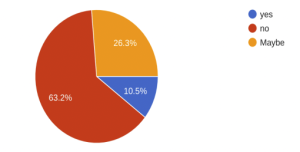
Instead, many are trying to absorb the increases or introduce smaller surcharges.
The chamber survey said some operators have begun adding fuel levies or increasing invoices to cover higher delivery costs, but warns this is not sustainable long term.
Looking ahead, the outlook remains uncertain. While around 74% of businesses say they are planning ways to manage future fuel costs, the measures available are limited.
There is also concern about job stability.
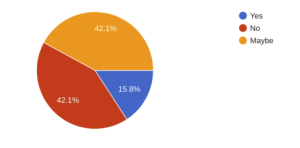
While only a minority have reduced staff so far, the chart on page 3 shows 15.8% of businesses say they may need to cut employee hours or numbers, with a further 42.1% undecided.
Ms Kent said B&C Plastics would cut costs in other areas of the business and “tighten the reins on everything we do” in order to retain their staff.
The chamber is calling for longer-term solutions, including greater transparency in fuel pricing and targeted relief for key industries.
It argues that temporary measures, such as the fuel excise cut, have offered some relief but do not address underlying volatility.
For now, businesses say they are adapting where they can.
But the data suggests many are reaching the limits of what they can absorb without broader support.