


By Tyson Parker
Increased development at Yarrabilba and Greater Flagstone is dirtying the waters in both Southern Moreton Bay and Logan waterways, a new report says.
The Healthy Land & Water report placed into Logan City Council’s public records in January showed sediment loads jumped sharply compared with 2023, while the Logan
catchment’s rating fell to poor and estuarine water quality declined from fair to very poor.
The report identified construction runoff, nutrient pollution and vegetation clearing as key pressures, with Yarrabilba and Greater Flagstone contributing sediment movement and development-site runoff.
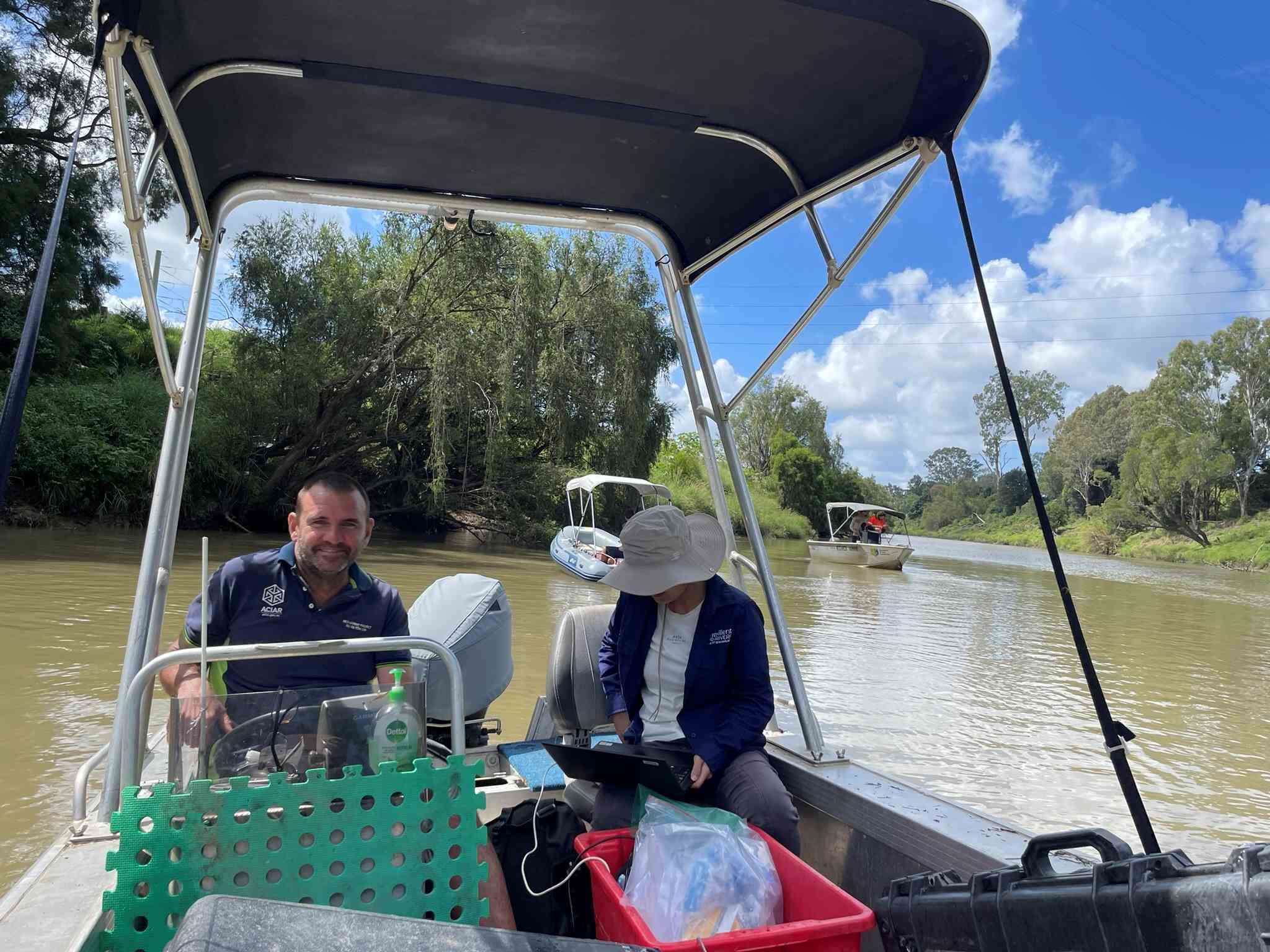
Griffith University academic Professor Michele Burford and her team have been studying the Logan River for years and are involved in the Logan River Baseline Water Quality Monitoring Program.
Professor Burford said: “The river is already under immense pressure due to inputs of treated wastewater, urban stormwater and sediment from eroding soil on river banks during rainfall events.
“As urban development expands, sediment loads to waterways increase during the
construction phase and, once new developments are completed, there are ongoing inputs from nutrients and other pollutants from urban stormwater runoff,” she said.
While the State Government has flagged Greater Flagstone and Yarrabilba as Priority Development Areas necessary to cater for Logan’s growing population, those growth corridors are not solely responsible for the decline in Logan’s water quality.
The Healthy Land & Water report says the system is being hit by multiple pressures, including flood-driven sediment, streambank erosion, wastewater and broader land-use change.
Logan Mayor Jon Raven said: “As our city grows, we’ve got to get the balance right, looking after our environment while planning for a bigger community.”
A Logan City Council spokesperson said there was no quick fix to improve the health of the Logan and Albert Rivers and Moreton Bay, but the council was working on a range of measures.
“Healthy Land & Water’s science shows recovery takes sustained action over years and
decades, not months,” the spokesperson said.
“Our Construction Taskforce is just one of the tools council is using to reduce sediment
entering our waterways.
“Since 2017, council has been planting trees along our waterways, building water sensitive designed wetlands which act as filters to run-off and protecting riparian areas to reduce sediment and erosion,” the council spokesperson said.
“Residents should expect local, visible improvements, rather than immediate systemwide
recovery of rivers or the bay,” the spokesperson said.
Streamside vegetation helps hold banks together, slows erosion, filters runoff and improves
flood resilience, but the Healthy Land & Water report says south-east Queensland lost 3767 hectares of riparian woody vegetation between 2018 and 2023, including 387 hectares of remnant vegetation.
In the Logan catchment, 368 hectares were lost over that period, while the Albert catchment lost another 62 hectares.
Those losses are linked to urban and housing development, linear infrastructure, forestry and agriculture.
The Yarrabilba development scheme says development should maintain and improve
hydrological functions, manage stormwater appropriately and apply best-practice sediment
and erosion controls.
Mitigation measures include riparian revegetation, creek and wetland restoration, fish-
passage works, tighter erosion and sediment-control programs in high-growth areas, and
planning rules requiring water-sensitive urban design in Yarrabilba and Greater Flagstone.
Subscribe to stay up-to-date with news from across Logan. You’ll receive a link to our digital newspaper direct to your inbox each week. It’s free.
Follow MyCity Logan on Facebook and Instagram