


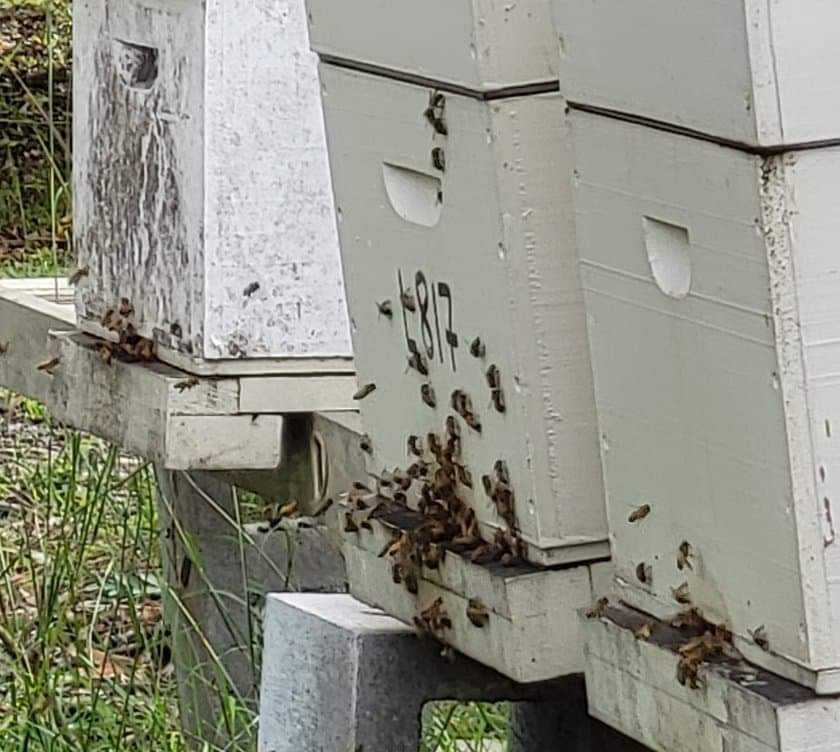
Logan beekeepers are on high alert as the varroa mite (Varroa destructor) – a honeybee parasite causing loss of honey production – nears the Queensland border.
Jason Roebig is the owner of Bee All Natural in Jimboomba and has beehives throughout Southeast Queensland Hinterlands and Northern New South Wales
“As far as varroa destructor goes there have been no incursions into Queensland with all known identified locations in NSW,” he said.
“We have conducted sugar shakes and alcohol washes of our hives here in Queensland with more attention paid to the hives located closer to the NSW border and have found no traces of varroa mite.”
But the threat has the industry worried. Mr Roebig said if the mite gets a foothold, the honey industry will face an unknown future.
“All beekeepers have a responsibility, both morally and legally, to ensure they are completing their mite checks on their hives as well as being registered with biosecurity,” he said.
“The only way to prevent this incursion from spreading is for all beekeepers to do the right thing and work together. If this mite gets a foothold our industry is facing an unknown future, it will impact our honey industry as well as agricultural crops and pollination services.”
Mr Roebig said although he is on high alert, he is not alarmed yet.
“The Queensland Beekeeping Association and the Australian Honeybee Industry Council are working with all the relevant stakeholders and are providing support where needed, this incursion can be eradicated if we all work together,” he said.
“At the moment we are on alert but not alarmed, the efforts being made in NSW has been extraordinary and while drastic the actions taken, they are for the better of our industry and our bees.”
Logan Village amateur beekeeper, Taylah Christoffel said she plans to inspect her hives soon.
“As it is winter, we haven’t inspected any of the hives yet as this is the time of year you let them keep to themselves,” she said.
“We plan to inspect them soon and if it is detected here, it will make work as beekeepers much harder and expensive, so it will have to be something we will have to decide whether to continue to do.
“It won’t be good news for the industry as a whole.”
Mr Roebig asks all beekeepers and honey buyers to follow some simple rules, to help stop the spread.
“If you are not registered with biosecurity please do so, it’s free for hobbyist beekeepers. Also join a club or association to get the most up to date information on what is happening on the ground as well as getting support from fellow beekeepers,” he said.
“When buying honey, ensure that it is Australian-made honey and always check the label.”