


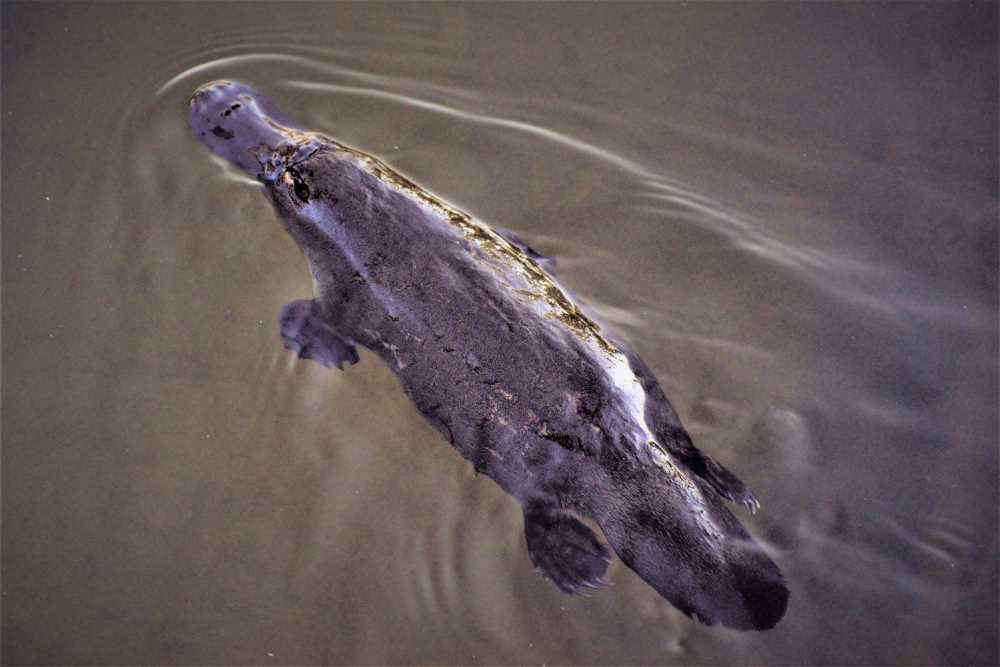
Efforts to conserve one of Australia’s most iconic species are amping up in Logan, as the city’s Platypus Watch program invites citizen scientists of all ages to help grow knowledge and contribute to the cause.
Watergum PlatypusWatch has been monitoring platypus populations for the past 12 years and after discovering evidence of platypus DNA in the Albert River, they have now extended their reach to include the Logan area.
“Platypus are one of Australia’s most iconic species and with help from the community, Watergum can monitor their activity and keep track of their populations,” said PlatypusWatch program manager Emily Vincent.
“It’s currently platypus mating season, the busiest time of the year for platypus and the best time for platypus monitoring.
“We also survey in March and April which is when the new babies are coming out of the borough’s for the first time; so that’s also quite an active season.”
Ms Vincent says platypus don’t get the “same recognition” as some other Australian animals such as koalas, despite also being in decline, which is why monitoring is so important.
“Everyone knows that koalas are endangered and in great need of conservation efforts, but platypus unfortunately just don’t get that same attention,” she said.
“Platypus are certainly in decline due to; urban pressures, destruction of habitat, water pollution, invasive weeds and things like that, and they need our help now more than ever.
“But there’s just very little data on platypus, so any kind of platypus monitoring activity, no matter even if it’s just kind of a small localised outfit such as our own, it’s super important.
“It’s really important that we get as much data as we can so that we can start to analyse how much trouble they’re in, and as such an iconic species of Australia, they really deserve our protection.”
Ms Vincent says more “manpower” is needed to help identify what is needed to ensure the protection of the platypus.
“Citizen science really expands the ability of a science investigation.
“If you’re just utilising University study, then you don’t have that many men on the ground, and his work can be delivered by the community really effectively.”
The community are invited to join PlatypusWatch’s next Albert River Survey on September 17, to help monitor the platypus’ behaviours and assess the health of their habitat.
An induction will be held on Tuesday, August 30.