


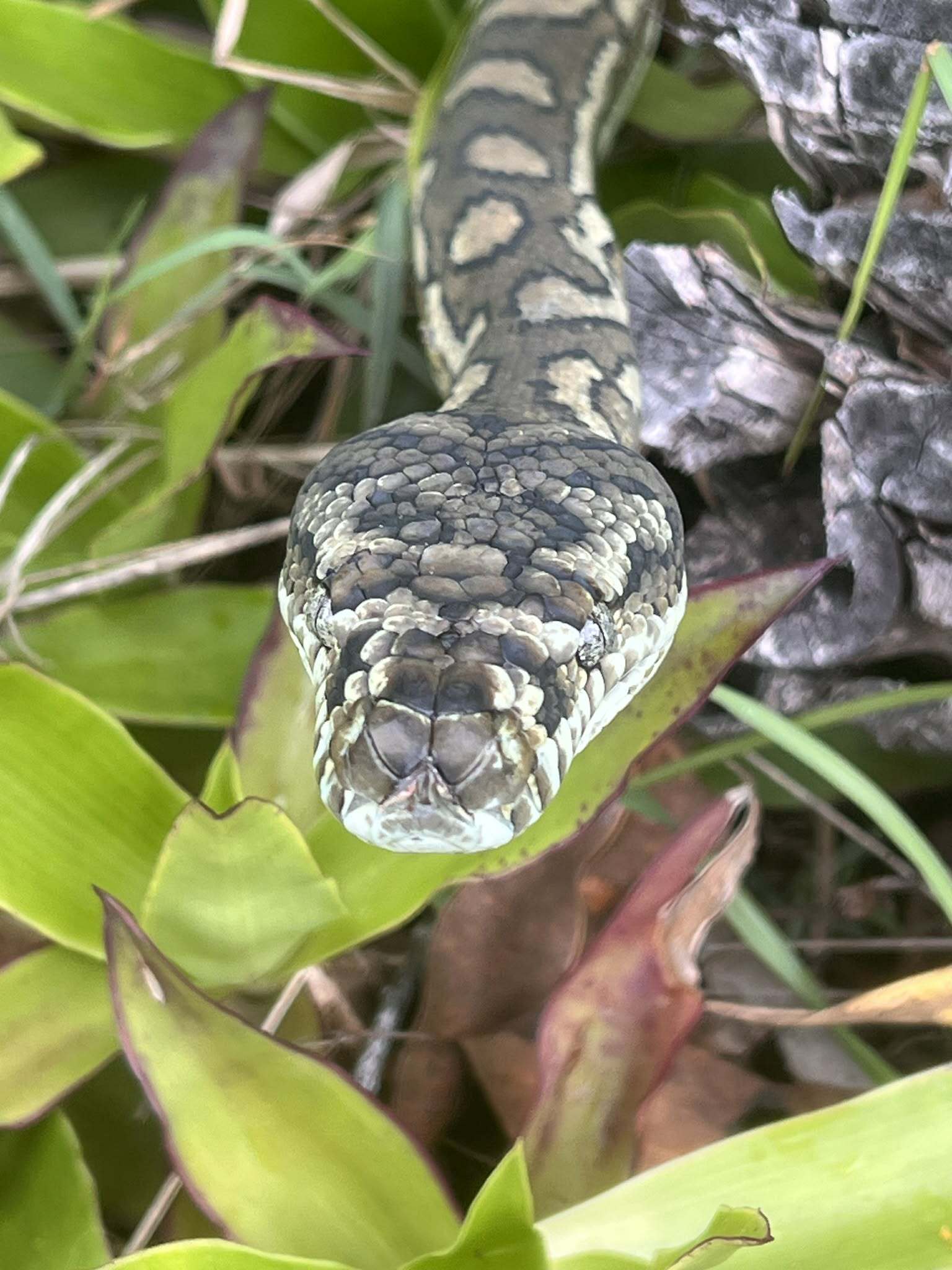
Snake catchers are continuing to respond to a steady stream of callouts across Logan, with residents being reminded to stay calm and avoid putting themselves at risk during encounters.
Reptile Rehabilitation Queensland secretary and reptile rescuer Lucas Perrett said Logan remains one of the busier areas for snake rescues, with callouts occurring regularly across the region.
“At this point in time, we are in a period where snakes are actively consuming as much food as possible before winter brumation happens,” Mr Perrett said.
Snake breeding season begins in late August and lasts through to November, Mr Perrett said, with snake hatchlings being born from December to February.
“I wouldn’t say the Logan area has been particularly busy recently, but due to the high rate of housing developments in the area, we are definitely answering a higher volume of calls in the area,” Mr Perrett said.
“We are looking at about 30% of rescues every year coming from the region.
“The main species being rescued at the moment is the Coastal Carpet Python (Morelia Spilota variegata), usually because of either being hit by cars on the road or by interactions with pets.”
Mr Perrett said many incidents happen close to home, particularly in backyards, sheds and around outdoor clutter.
Dog bowls, pools or ponds can attract snakes looking for water to them. Garbage or compost bins may also attract snakes, seeking small animals, including rodents, who are attracted to food waste.
“Snakes have always been there and most of the time they stay unseen,” Mr Perrett said.
“From time to time, they will come closer to people’s houses looking for water if there has been an extended period without rain and their normal sources of water such as creeks and gullies, dry up.”
Mr Perrett said gardening tools and devices, like netting, can kill snakes that get caught in it.
“A lot of the time, people come across them when they’re doing yard work or moving things that have been sitting for a while,” Mr Perrett said.
“In my opinion, there is no such thing as a dangerous snake, only dangerous actions towards them.”
“Snakes are innately defensive and reactive animals that want to avoid human contact wherever possible.”
He stressed that the safest response is to leave the animal alone and call a professional.
“If you see a snake, keep your distance and don’t try to interact with it,” he said.
“That’s when people get bitten.”