


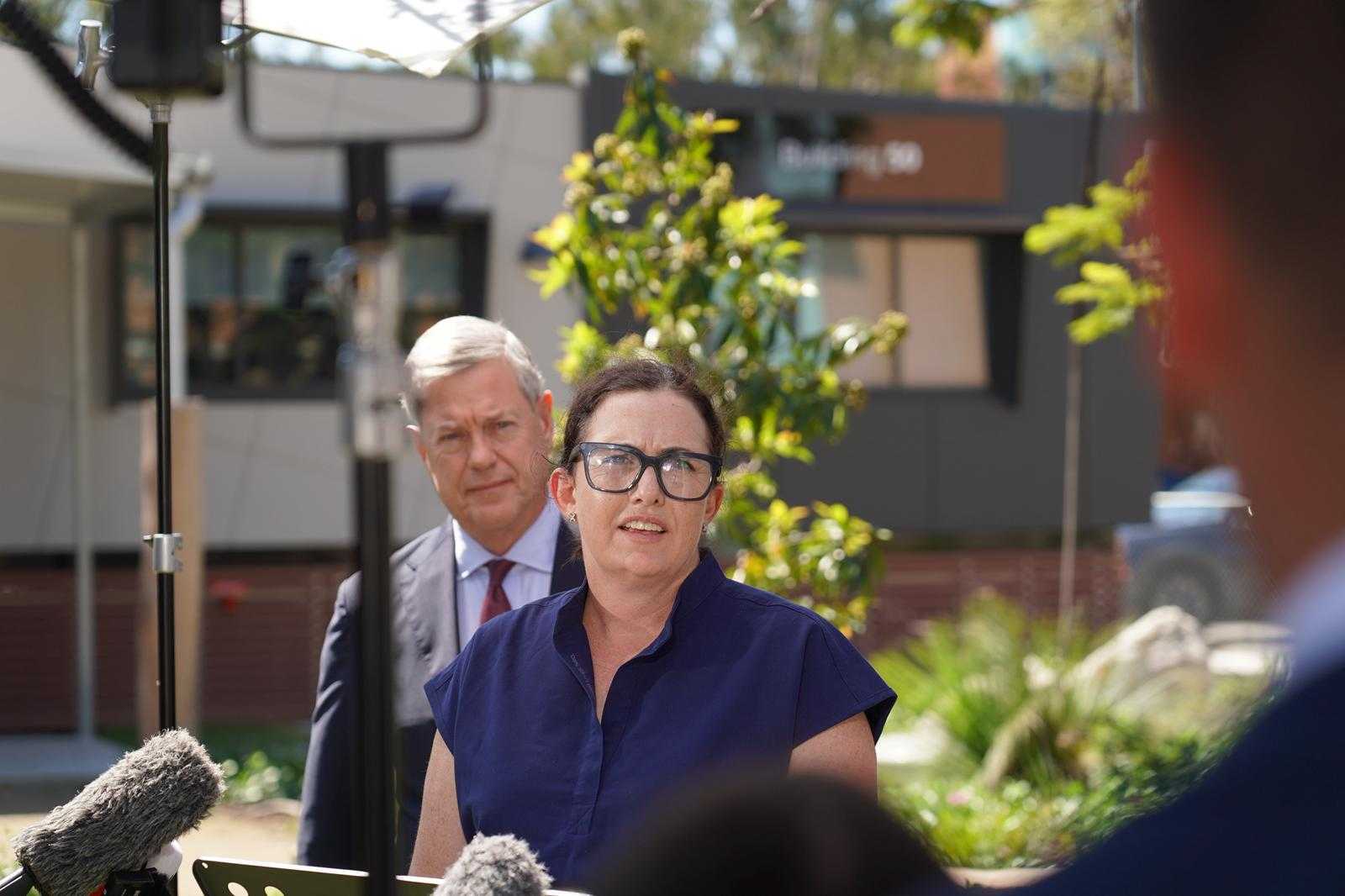
POLICE have joined investigations as health authorities struggle to determine how five locals wound up ingesting rat poison.
Queensland Health have been investigating after five people, including a child, from three families presented to Logan Hospital, Princess Alexandra Hospital and Queensland Children’s Hospital on 17 October with symptoms consistent with Brodifacoum poisoning.
Brodifacoum is the active ingredient in rat poison that inhibits Vitamin K, which is essential for blood to clot.
It can cause bleeding-related complications if ingested, including bruising, bleeding gums, bleeding from the bladder and the bowel, and swollen joints.
Days after the hospitalisations, Queensland police said they had joined investigations.
No link or source has been identified so far. The cases are not being treated as suspicious and the families are not known to each other.
While some media reports have suggested the poisoning came from a takeaway outlet in Logan, Queensland Health has said it would be incorrect to assume so while investigations are ongoing.
“Currently, there is no indication… that the current outbreak has anything to do with any fast food or takeaway outlet,” health minister Timothy Nicholls said at a press conference his week.
“The number of patients is limited to… one child, four adults.
“They are in the Logan area.”
According to Queensland Health, it is not known how much Brodifacoum needs to be ingested to make a person sick, with amounts varying person to person.
However, historical cases suggest a “significant amount of bait” would need to be in food to cause poisoning.
“Thankfully all [five patients] are well and receiving treatment,” chief health officer Catherine McDougal said.
“Investigations are underway to try and determine a link to or source of the poisoning.
“Clinicians have been asked to monitor for presentations with similar symptoms.
“This is routine when patterns in patient presentations are identified, so there is nothing for the community to be alarmed about at this time.”
Dr McDougal said investigations involve interviewing the families to understand where they have been, what they have consumed and any connection linking the different families.
“It involves going to their homes, reviewing their pantry, finding things to test, and seeing whether we actually can determine a source.
“This investigation is ongoing, but at the moment, we are unable to actually confirm a source or that actually links all of the families. We expect that this will keep going over the next few days, and certainly, if anything is identified, we’ll be sure to make the public aware.”
“Queensland Health will notify the community if there is a risk to public health,” Dr McDougal said.
“I encourage anyone with concerns about their health to see their doctor, present to the emergency department or contact 13 43 25.”