


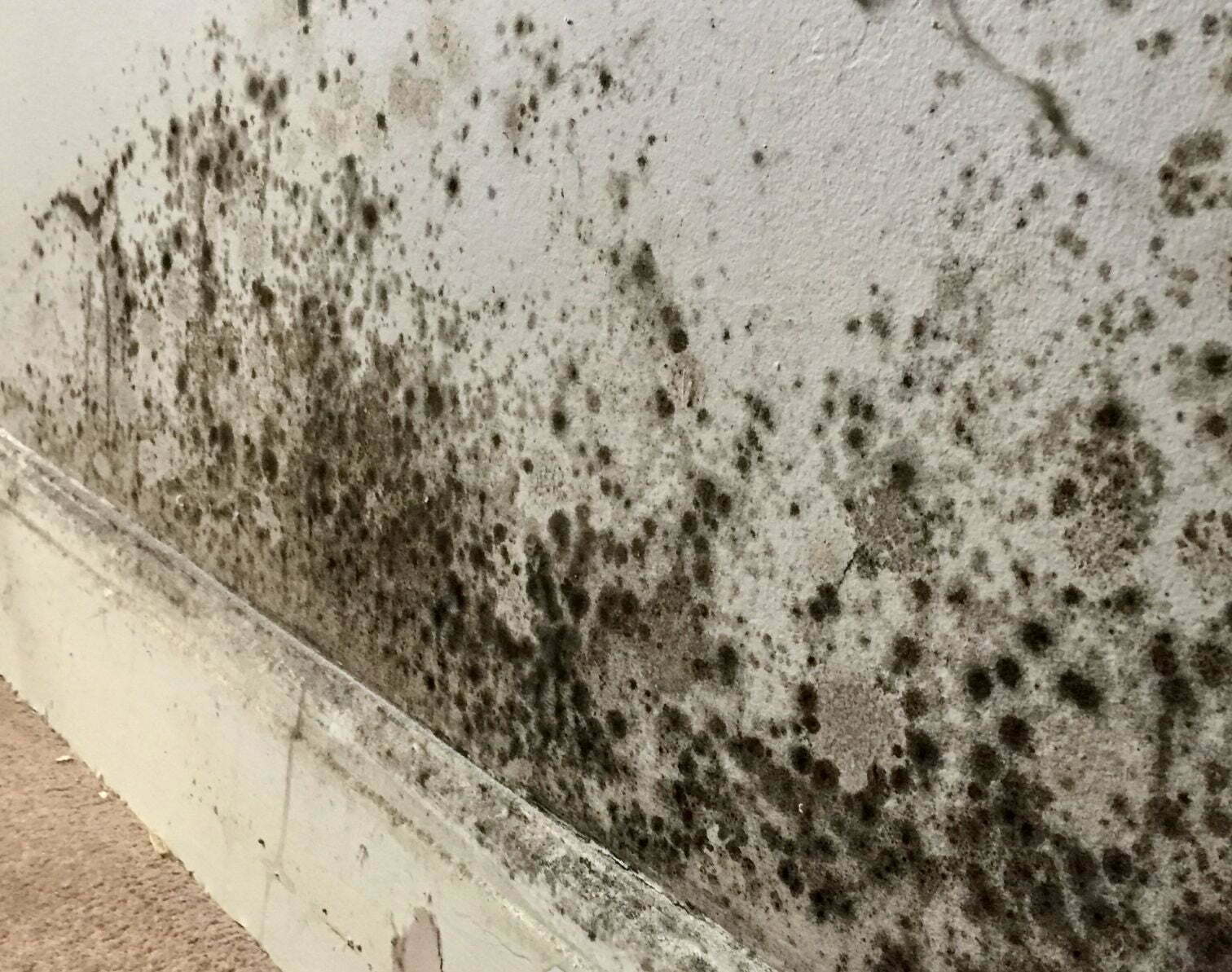
AN unseasonal mould clean-up in Logan households is mounting into the millions of dollars.
Furthermore, it’s unlikely to be covered by normal residential insurance, and it’s a hidden problem to look for when buying a house.
That is the message from Australia’s leading peak organisation for the apartment and unit sector after hundreds of calls and emails about mould issues in recent weeks.
Owner of Resi Inspections in Bethania, Les Moir said if conditions aren’t treated properly mould could even affect the sale of your home or apartment.
“If the mould is present at the time of sale it could affect the sale as it may be deemed a health hazard. But also if the underlying problem is not treated effectively, it may lie dormant until the next time the ideal conditions are met,” he said.
“Some of the traditional methods of mould removal may not truly be effective in removing the mould fully, for example using vinegar and bleach.
“Though they may help in reducing or hiding the presence, they may not fully eliminate or kill the mould.
“I highly recommend using professional mould remediation. There are professionals who are trained and understand how to remove the mould fully.”
Mr Moir said homeowners also need to be aware that “if you have mould spores in your house, your air conditioning and ventilation systems may have those spores in them as well” and he recommends having them cleaned professionally.
Samantha Reece who heads Australian Apartment Advocacy urged apartment and unit owners to treat their mould problem and not hope that it would simply go away.
“Mould if untreated can cause health problems such as allergic reactions and asthma difficulties and it can be treated in most instances with products such as dehumidifiers that are not toxic and that can be purchased from any hardware store,” she said.
It is also recommended that residents during showering, cooking, and using their clothes dryers in apartments run their exhaust fans for longer than normal to extract the additional moisture.
Ms Reece said thousands of Queensland apartment owners now face clean-up costs to combat mould following unseasonal rain and humidity.
“Queenslanders in the north are used to mould, but the reports we are getting is that the incidence of mould in southern Queensland is almost unheard of due to the current conditions of humidity and moisture,” she said.
“The bad news is that mould itself is not covered by insurance generally unless it has been caused by an insurable event such as storm damage or flooding.
“We have had hundreds of apartment owners contact us and our message is the same; check your insurance policy but it is highly unlikely you are covered for mould unless you have suffered or experienced an insurable event such as structural damage caused by flooding.
“The matter has been exasperated with the fact that most apartments nowadays have been constructed to be airtight and hence air flow is essential to reducing the impact of mould.”
Mr Moir said there are steps to follow to avoid mould growing in your home.
- Create good ventilation in and around your home.
- Make sure you have good drainage around and under the building.
- Keep the maintenance up to prevent moisture entering the building
- Keeping vegetation well away from the building.