


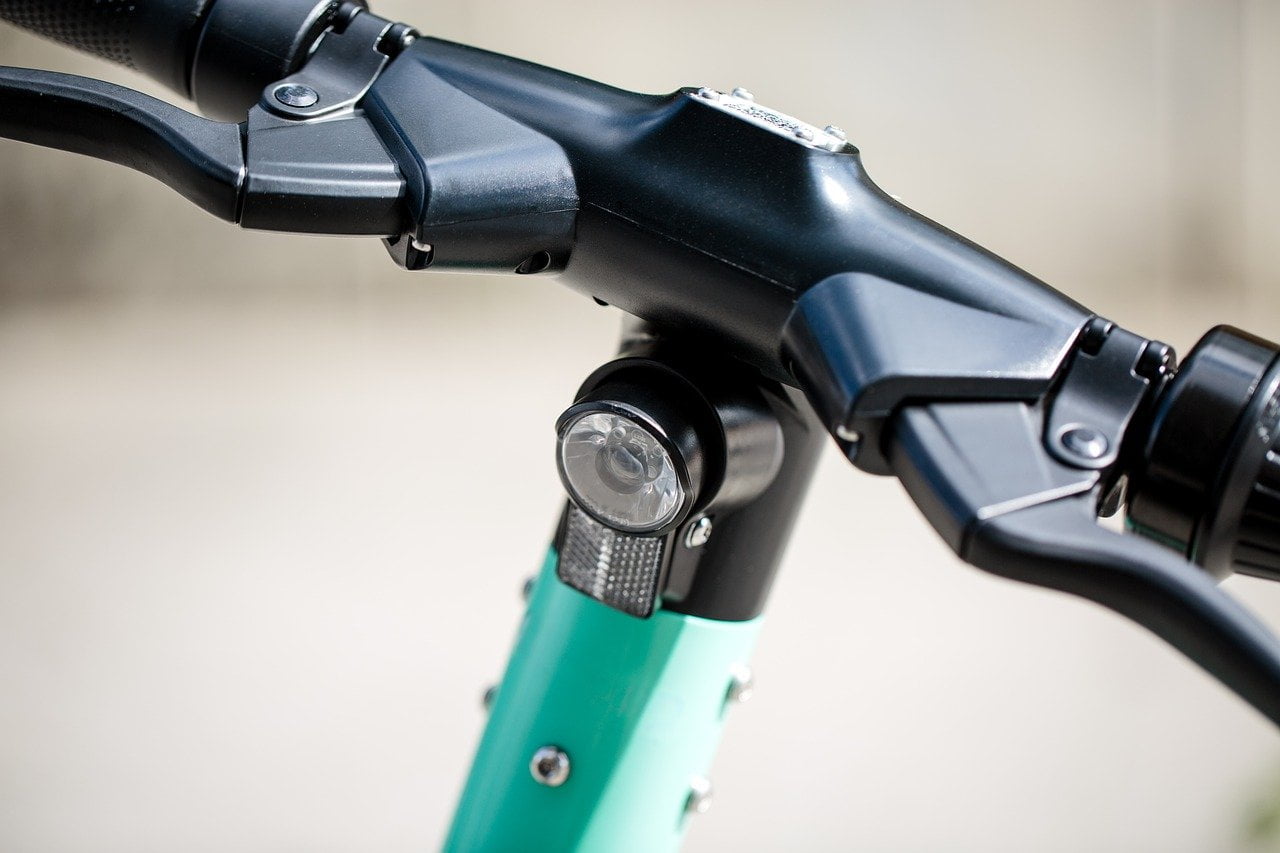
RACQ is changing the game for roadside assistance, becoming the first provider to offer “revolutionary” integrated coverage for electric vehicles, including e-scooters, e-bikes and mobility scooters.
The announcement was made last week at the RACQ Mobility Centre in Cornubia, with hopes of giving assistance to people over the Easter long-weekend.
RACQ CEO David Carter said it was the biggest change to roadside assistance services since it started in the 1920s.
The cover also protects those with bicycles and wheelchairs.
RACQ CEO of Assistance, Glenn Toms, said more and more customers were using e-scooters or e-bikes.”
“Due to a combination of worsening traffic congestion, cost-of-living pressures, and a changing attitude towards more sustainable ways of living, we’ve seen more people using electric personal mobility devices,” Mr Toms said.
“This new product also addresses a gap in the market for members who rely on mobility aids such as wheelchairs and mobility scooters to remain mobile.”
RACQ also announced extended coverage to larger utes and RVs.
“Since Covid, we’ve seen a real explosion in camper trailers and motorhomes, as members get out with their families and explore Queensland,” Mr Toms said.
“Our Roadside Assistance offering for RV owners will mean travellers can have greater peace of mind knowing we’re able to come to their aid if anything was to go wrong on their holiday.”
He said the coverage should provide safety to those who are dangerously stuck on the side of the road.
RACQ collaborated with QUT professor Robert Perrons to shape their cover options around the future of travel.
In addition to an electric industry, they are also anticipating autonomous vehicles.
“We’re also seeing big movements in the move to autonomous vehicles and so we’re going to need changes in regulations and policies that are keeping up with those exciting changes in the technology space,” Professor Perrons said.
He said Australia, despite being late to the electric vehicle “party”, was picking up its game and “making up for lost time.”
With the move towards more intergrated travel, such as using a car, tram and scooter to get somewhere, Professor Perons said travel is going to get “better and better” as time goes on.