


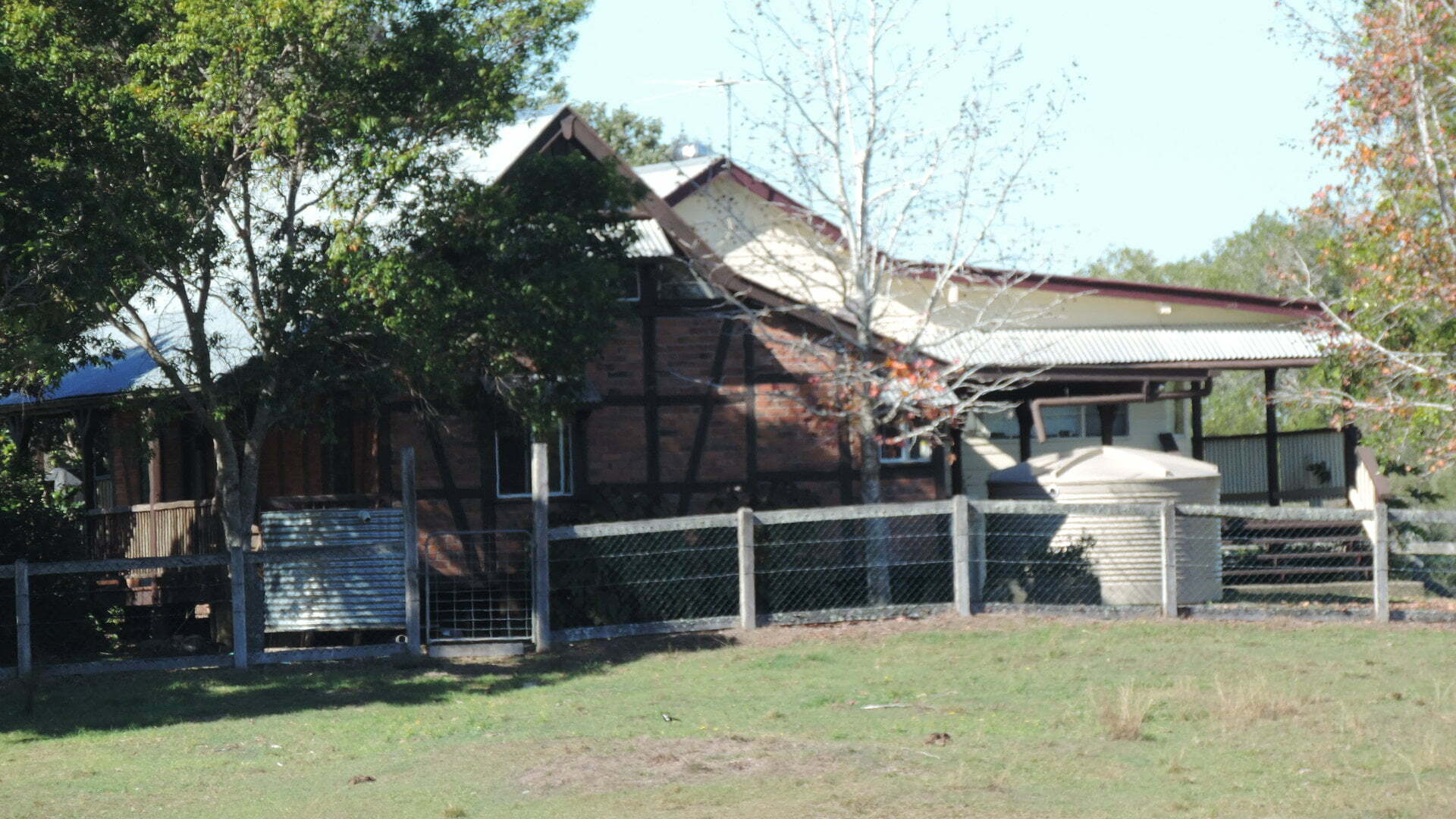
Logan is home to Queensland’s last remaining example of a the German-created fachwerk technique in a building constructed by early German settlers during the 1800s.
That also makes Fachwerk Farmhouse in Carbrook one of Logan’s oldest properties.
The farmhouse dates to the early German settlers in the 1870s and was one of the earliest to reside in the former Logan River Agricultural Reserve.
Agricultural reserves were created straight after Queensland’s separation from New South Wales in 1859 to expand agricultural production and reduce the colony’s dependence on imports.
“A lot of Germans came out to Australia in the 1860s, 70s, and 80s because they were escaping the rise of Prussian militarism in Germany,” Robert Allen said, a Queensland writer and historian with a particular interest in heritage buildings.
Fachwerk Farmhouse was traced back to a German Farmer by the name of Christian Krüger and his family, who were of the 9,514 German immigrants to arrive between 1861-81 to alleviate extreme labour and skills shortages.
The family built the dwelling with the fachwerk technique, hailing from Northern Germany.
In the case of the farmhouse, timber beams provided the carcass, which was filled in with finely arranged masonry.
The Queensland government’s heritage register states the farmhouse is the “only known surviving example of fachwerk in Queensland,” which would have required a master craftsman.
Mr Allen said the future direction of conservation rests in preserving post-war properties.
“It’s good to see in recent years, councils all over the place are taking much more notice of the heritage values and characteristics of particular areas and suburbs,” he said.
“What will be interesting going forward is what they’ll do with buildings from the 1920s, 30s, 40s, and 50s.
“I think it’s important that any city plan tries to preserve aspects from across its history, not just the really old stuff, which is important, but also the buildings that were built post-war.”