


Have you noticed that there are words we use now in our so-called modern world that we didn’t use in the olden days?
One that has cropped up during the past 18 months of pandemics, lockdowns and inconveniences is “resilience”. It’s the latest go-to word and I can’t say I’m a fan of cliches, although I’ve probably used a few.
When the teacher pulled the buckle of his belt and wrapped it around our behinds for a late start at science class, I could have sworn more discomfort than the poor drugged frog we were about to dissect.
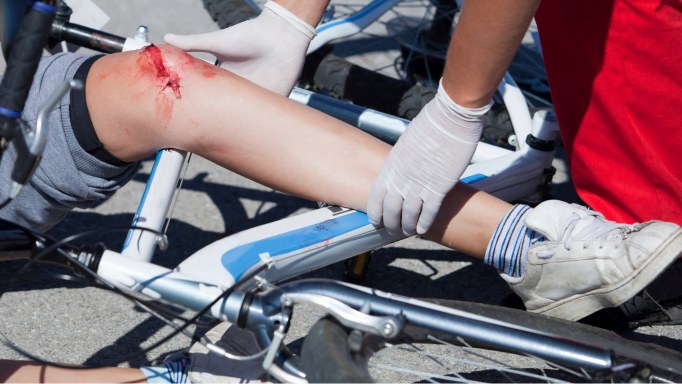
When I fell from my bike and implanted half a dozen pieces of gravel into my shin while riding my chain-challenged bicycle to work as a teenage paper boy, I could have counted on no hands the empathetic murmurs from the impatient bosses whose time I’d wasted.
“Is that blood on your knee, boy? Go clean yourself up. You’re late.”
Yep, the 60s had plenty going for it. Crime was low, traffic was generally good unless you were on a bicycle trying to do a sharp turn on balding tyres and a pile of loose asphalt in an effort to pick up the day’s delivery, and rock and roll music had found it’s way onto the wireless.
But empathy wasn’t a strong point of that particular decade. And I don’t recall anyone referring to anyone else as “resilient”.
Don’t get me wrong. We fitted the bill. We were able to bounce back from difficult situations. Running water does wonders for a bleeding wound, as does a Band-aid. The only difference was that we referred to such challenges as “life” – getting on with stuff, picking ourselves up and moving on.
Just like we’re doing now, I suppose.
In the 70s, oil prices went through the roof and sent inflation into orbit. In the early 80s, the whole world was so broke that one in 10 people here was without a job. And in the early 90s, people took a premature punt on property, and we again found ourselves reaching for the coins in the cookie jar during recession.
Since then, we’ve had a pretty good run.
Yet, here we are again – this time due to Covid-19 – finding ways to make do as bean counters calculate how long it’ll take to slash some zeroes from economic debt.
Jobs are hard to find, and none of this will be consolation to those doing it tough.
My Russian mate at the kebab shop doesn’t speak a lot of English, but his maths are fine and he’s worked out that grilled chicken pressed into a slab of flatbread is a much better buck-making prospect in downtown suburbia than the boiled potatoes he’d probably be hawking in uptown St Petersburg.
He grumbles about the price of parsley as he craftily spoons half the tabouli he’d given me the week before. He complains about the delivery companies that rip him off with high commissions. And he’s been waving his arms about for 20 years about how difficult it is to “find good help these days”.
While superannuation holds up, Wanda and I will keep a tub of supermarket tabouli in the fridge. Lodging a complaint would be like telling a taxi driver to take the shortest route.
We’ll still get our kebab, the same way we’ll still get from A to B in the cab.
Things might well get worse before they get better. But they will get better, and yes we’ll be “resilient”. History tells us that.