


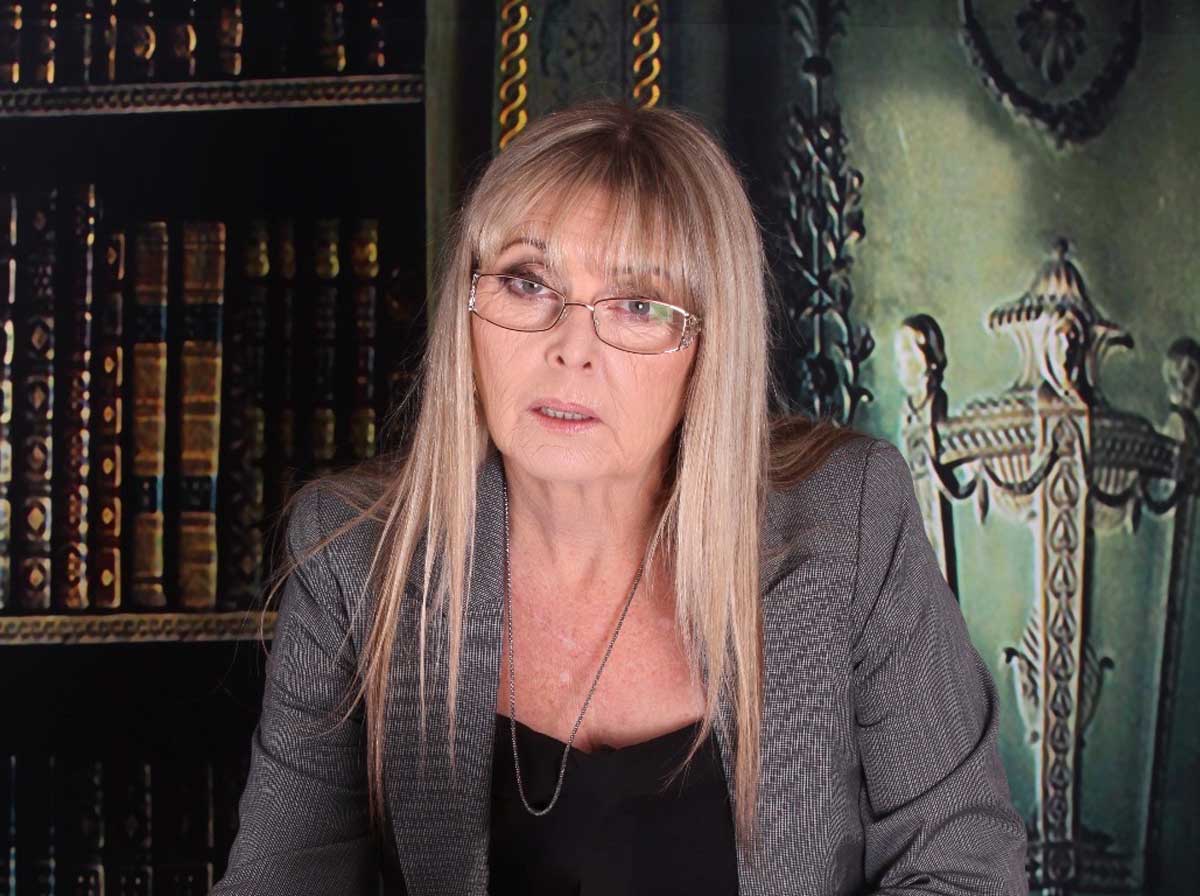
By Jennifer Brockie | Host of the Survival Revival website and podcast
For many survivors of childhood abuse, healing involves more than coming to terms with the past.
It can mean understanding how early experiences shaped their beliefs, relationships and sense of self, and gradually rediscovering who they are beyond what they endured.
For some, survival meant becoming agreeable, helpful and accommodating.
They learned to anticipate other people’s needs, avoid conflict and suppress their own feelings to maintain a sense of safety or belonging.
Over time, these behaviours may have become so familiar they were mistaken for personality traits rather than recognised as ways of coping.
Others may grow up feeling distrustful or suspicious, finding it difficult to believe that people’s intentions are genuine.
When trust has been broken by those who should have provided care and protection, allowing others close can feel frightening.
Even in safer relationships, the fear of being hurt again may be difficult to set aside.
These responses are understandable. They often reflect what a person has learned about the world through painful experiences, rather than who they are at their core.
Some survivors become the person everyone can rely on, believing that love is earned by putting others first.
Others struggle to ask for help, express their needs or feel comfortable depending on anyone.
Beneath these different responses may be a shared longing for safety, acceptance and connection.
Healing can begin with recognising these patterns without judging yourself for them.
You were finding ways to cope with circumstances you should never have had to face.
You deserve compassion for the person you needed to become.
Over time, it is possible to discover that boundaries do not make you unkind, not everyone will betray your trust, and your needs deserve the same consideration as those of others.
Trust may develop slowly, and learning to feel safe can take time.
There is no need to rush that process.
There may also be grief for the childhood you deserved, the protection you needed and the parts of yourself you learned to hide.
Acknowledging that loss does not mean remaining trapped in the past.
It allows you to recognise what happened while making room for a different future.
Healing is rarely straightforward, and there is no timetable for finding yourself again. Every small step towards self-acceptance matters.
You do not have to be endlessly accommodating, perpetually strong or completely healed to be worthy of love.
Perhaps one of the most hopeful parts of healing is realising you can honour the person you became to survive while gently discovering the person you are free to become.
Your past may have shaped you, but it does not diminish your worth or define all that is possible for your future.
Subscribe to stay up-to-date with news from across Logan. You’ll receive a link to our digital newspaper direct to your inbox each week. It’s free.