


A Logan mental health service is working to make sure young people know they don’t have to face mental health challenges alone.
The Youth Step Up Step Down (SUSD) service in Woodridge, one of only three services like it state wide, provides short-term residential mental health care for young people aged 16 to 21.
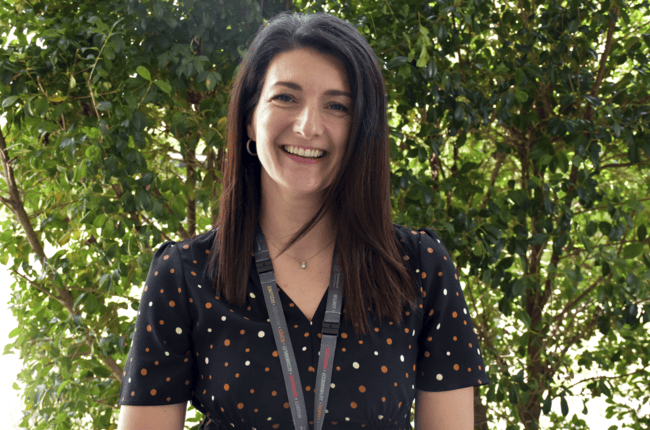
Team leader Stacey Sobolewski said the program was designed for those who need more help than standard community support but do not require hospital admission.
Helping to bridge the gap between hospital care and life back in the community.
“Step Up Step Down fills an important gap between hospital and home, providing young people with intensive support in a safe, recovery-focused environment,” Ms Sobolewski said.
While staying at the facility, young people take part in structured therapeutic programs, group activities and individual recovery planning.
The service also focuses on building practical life skills, strengthening support networks and helping young people regain confidence in managing their mental health.
Ms Sobolewski said the residential setting made a significant difference compared with standard appointments.
“If you come to a place like ours, you can stay up to 28 days, so you’ve got that really intensive mental health support that’s recovery orientated,” she said.
“Some community services might see a young person for 15 or 30 minutes every couple of weeks.
“Here they’re surrounded by support every day while they work through what’s going on and build strategies to help them move forward.”
The facility is designed to feel more like a home than a hospital, with private bedrooms and shared living spaces where young people can connect with others going through similar experiences.
“We try to make it as therapeutic and comfortable as possible. It’s less clinical than a hospital but still provides that structured support,” Ms Sobolewski said.
The Logan service, which opened in April 2020, can accommodate up to six young people at a time and accepts referrals from community mental health services, psychologists, psychiatrists, schools and organisations such as Headspace.
Ms Sobolewski said the team was passionate about making sure young people and families knew the service existed.
“We really just want to get the word out there so young people have the opportunity to access the service and get the support they need,” she said.
“Early support in the right environment can make a really meaningful difference in a young person’s recovery.”