


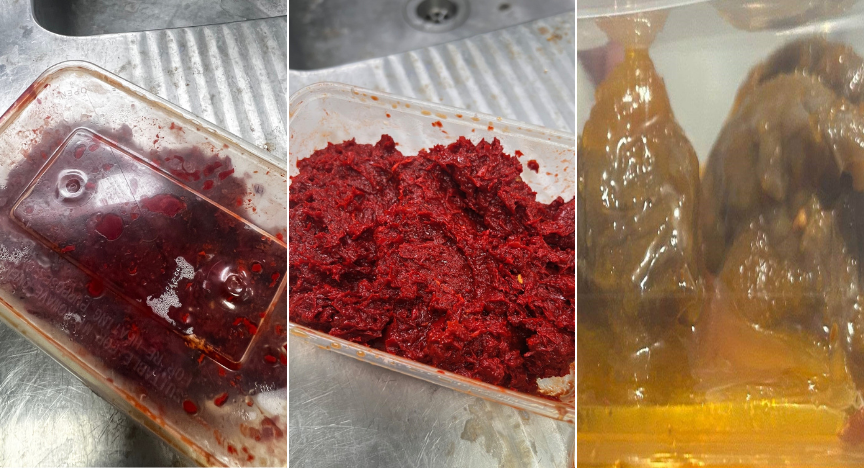
Queensland Health has identified two products they believe landed five people, including a child, in hospital after ingesting rat poison.
Queensland Health said the products, which are a capsicum and chilli paste and a marinated eggplant containing the same paste, were homemade and packaged in unlabelled containers.
They believe the products were gifted or purchased in Logan from mid-September 2025 onwards.
Anyone who may have these products is advised to throw them away in a bin immediately, Queensland Health said.
Queensland Health said three of the five people hospitalised on 17 October with symptoms consistent with Brodifacoum (the active ingredient in rat poison) poisoning ingested the products.
Samples of the products returned positive tests for brodifacoum.
Chief Health Officer Dr Catherine McDougall said investigations by Queensland Health and Queensland Police were ongoing and urged the community to monitor for symptoms.
“We do not believe there is a widespread risk to the broader community; however, we encourage people in the Logan area to be alert,” Dr McDougall said.
“The identified products are homemade and do not appear to be widely distributed. It is believed they are available only very locally in the Logan community.
“No other possible cases of brodifacoum poisoning have been identified since the five individuals were reported last week.”
Ingesting brodifacoum, which inhibits Vitamin K needed for blood to clot, can cause bleeding-related complications, including bruising, bleeding gums, bleeding from the bladder and the bowel, and swollen joints.
According to Queensland Health, it is not known how much brodifacoum needs to be ingested to make a person sick, with amounts varying from person to person.
However, historical cases suggest a “significant amount of bait” would need to be in the food to cause poisoning.
Dr McDougall said investigations involved interviewing the families to understand where they had been, what they had consumed, and any connection linking the different families.
“It involves going to their homes, reviewing their pantry, finding things to test, and seeing whether we actually can determine a source.”
Queensland Health urged anyone who may have consumed the listed products or is experiencing bleeding they cannot otherwise explain to present to a local GP, satellite health centre, or urgent care clinic for testing.