


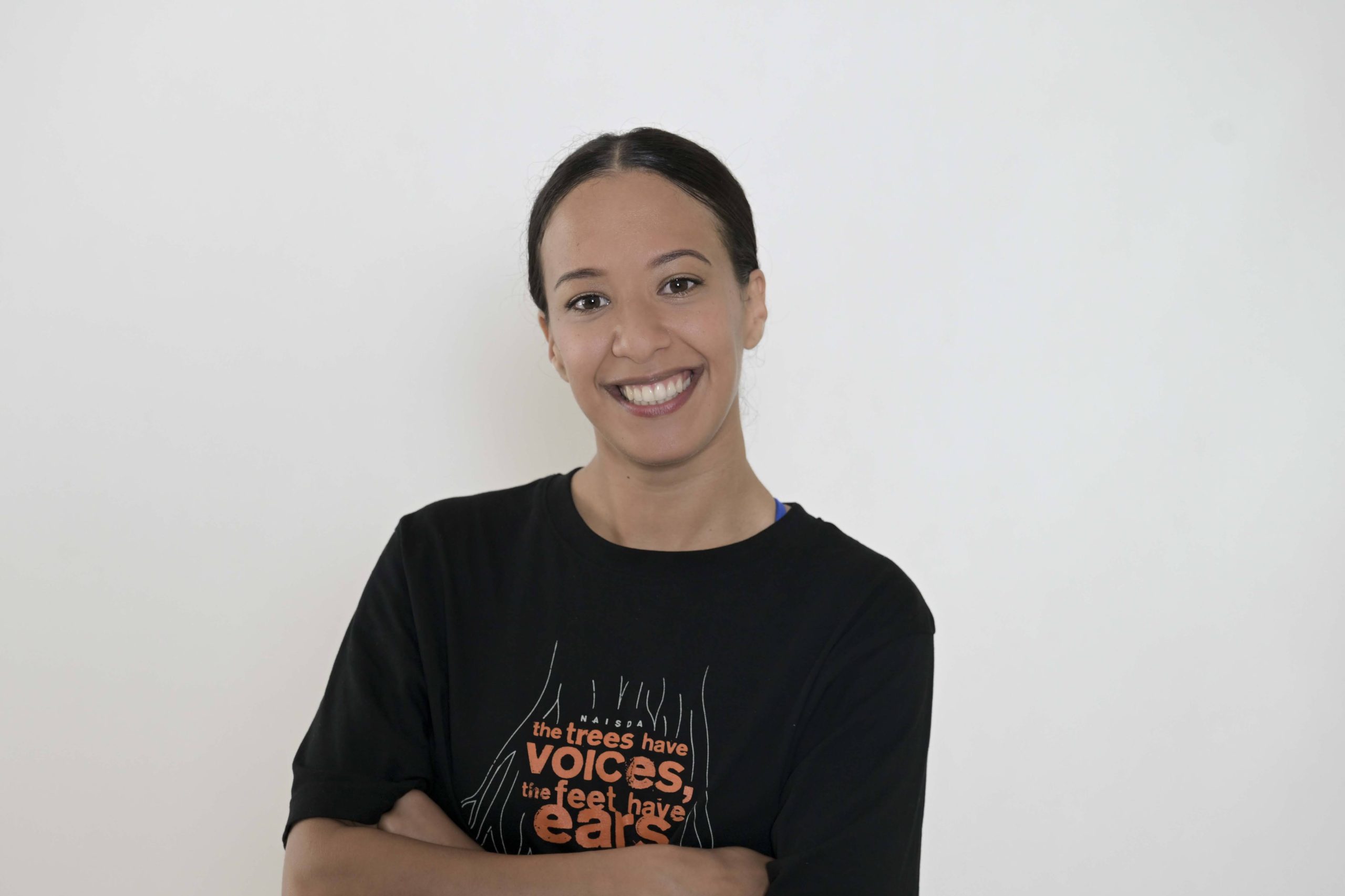
Arts and dance are forms of self expression and entertainment that mean so much to so many. But for Eagleby’s own Kiana Yasso, dance means more.
For Ms Yasso, dance is the connection to her First Nations heritage and culture.
“When I dance, I am able to feel the spirit of my ancestors and that connects me to my roots and my culture,” the 28-year-old said.
“ I have a strong belief that when we connect with our culture, no matter where we come from and no matter what our culture is, that our life force energy becomes brighter, which then shines through all areas of our life.”
Growing up in Logan, Ms Yasso said Indigenous people could face racism and feel ashamed of their culture.
“I didn’t get much exposure to learning about my culture growing up,” she said.
“There are a lot of stereotypes and statistics out there, and if that’s all we’re exposed to, we can feel ashamed of our culture and roots.
“ I was never ashamed of my culture, but I was ashamed that I didn’t know how to share the beautiful parts of it with people.”
So, chasing that connection, Ms Yasso two years ago moved to the Central Coast in New South Wales to train at an Indigenous performing arts college called NAISDA (National Aboriginal and Islander Skills Development Association).
“When you seek out the parts of culture that are pure and find ways to connect with culture, you feel more connected to your identity… that’s really empowering,” she said.
At NAISDA, Ms Yasso is earning a diploma, learning about ballet, jazz, contemporary and other dance styles.
But the study of cultural dance is what really attracted her.
”NAISDA gives people from all different areas the opportunity to come together and experience a variety of different avenues of the arts, through the lens of First Nations perspectives.
“We have a whole range of different classes. One is called My Mob, where we get to learn about where we come from and we get to do some family history.”
Last month, Ms Yasso and her peers went on a trip to Arnhem Land in the Northern Territory, where they “connected with country” and the community, and learned the local dances and history.